Weekend Attacks Leave Dozens Dead in Ukraine
William Wilson ·
Listen to this article~4 min
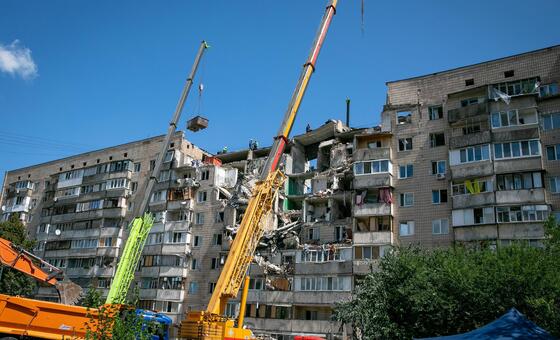
A series of attacks across Ukraine this past weekend resulted in approximately 60 civilian fatalities and over 240 injuries, according to UN and Ukrainian officials.
It's been a heavy week for news, and I want to start by acknowledging that. Sometimes, events unfold that are difficult to process, especially from afar. The human cost of conflict has a way of cutting through the noise, demanding our attention and, frankly, our empathy.
This past weekend, a series of attacks across Ukraine resulted in significant civilian casualties. According to UN officials and Ukrainian authorities, approximately 60 people lost their lives, with more than 240 others wounded. The numbers are stark, but they represent real people—families, communities—whose lives have been irrevocably changed.
### The Human Impact Behind the Headlines
When we hear casualty figures, it's easy for them to become abstract statistics. Let's pause for a moment and consider what those numbers mean on a human level. Sixty lives. Each one a story, a network of relationships, a future interrupted. The wounded, numbering in the hundreds, now face recovery and rehabilitation in a landscape already strained by ongoing conflict. The ripple effects of a single weekend's violence are profound and long-lasting.
UN spokesperson Stéphane Dujarric briefed journalists in New York on Monday, citing data from UN humanitarian staff on the ground. These aren't distant reports; they're firsthand accounts from professionals witnessing the immediate aftermath. Their work, often conducted under dangerous conditions, provides the critical context that shapes the world's understanding of these events.
### Understanding the Context of the Conflict
For those of us following this from the United States or elsewhere, it's crucial to seek information from verified, on-the-ground sources. The fog of war can obscure facts, making reliable reporting more valuable than ever. Here are a few key points to remember when processing news like this:
- **Seek Primary Sources:** Official statements from organizations like the UN or direct reports from trusted journalists provide a clearer picture than secondhand summaries.
- **Consider the Scale:** The attacks reportedly occurred across multiple regions of Ukraine, indicating a widespread impact rather than an isolated incident.
- **Focus on Humanitarian Needs:** Beyond the immediate tragedy, these events create urgent needs for medical supplies, shelter, and basic necessities for displaced populations.
It's a sobering reminder of the fragility of peace and the devastating consequences when it's shattered.
### Moving From Awareness to Understanding
So, where do we go from here? Awareness is the first step, but understanding requires a deeper look. The international response, the logistical challenges of delivering aid, and the long-term support for affected communities are complex issues that don't fit into a headline. They require sustained attention and informed dialogue.
As someone who writes about technology and business, I often think about how systems—whether digital or geopolitical—are supposed to function to support human life and dignity. Events like these force a reckoning with what happens when those systems fail. They challenge us to think critically about our sources of information, our capacity for compassion, and our role in a connected world.
Ultimately, the story isn't just about a weekend of violence. It's about the ongoing struggle for safety, the resilience of communities under pressure, and the global responsibility to bear witness and respond with humanity. The numbers from this weekend are a tragic snapshot, but the full story continues to unfold, one day at a time.