A Weekend of Attacks Leaves Dozens Dead and Hundreds Wounded
Margriet van Dijk ·
Listen to this article~5 min
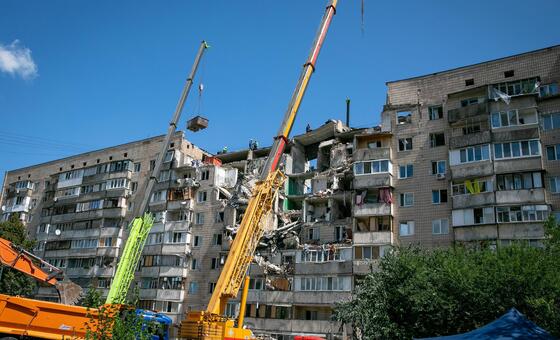
UN officials report approximately 60 civilians killed and over 240 wounded in widespread attacks across Ukraine this past weekend, citing data from ground teams and local authorities.
It was a brutal weekend across Ukraine. The numbers are staggering, and they're more than just statistics—they represent real people, families, and communities shattered. According to a briefing held in New York on Monday, UN spokesperson Stéphane Dujarric shared devastating figures provided by UN humanitarian workers on the ground and Ukrainian authorities.
### The Human Cost of a Single Weekend
We're talking about approximately 60 civilians who lost their lives. That's 60 stories cut short. And then there are the more than 240 individuals who were wounded. Think about that for a second. That's hundreds of people now facing recovery, trauma, and the long road ahead. These attacks didn't target a single city; they were widespread, hitting communities across the country. It's a sobering reminder of the relentless nature of this conflict and how it continues to impact innocent lives every single day.
Dujarric's briefing, delivered to journalists at UN headquarters, painted a grim picture of the past 48 hours. The data, gathered directly from those witnessing the aftermath, underscores a critical point: the humanitarian crisis is ongoing and intensifying. It's not slowing down.
### Understanding the Source and the Message
Why does this particular report matter? Well, when information comes from a combination of UN field staff and local authorities, it carries significant weight. The UN's humanitarian workers are often among the first to respond, assessing damage, coordinating aid, and documenting the human impact. Their reports are crucial for understanding the real-time situation beyond the headlines.
Ukrainian authorities provide the official domestic account, creating a dual-source verification that's hard to ignore. Bringing this information to a global stage in New York amplifies the call for attention and, hopefully, action. It's a move meant to cut through the noise and remind the international community of what's happening on the ground, far from diplomatic chambers.
- **The Toll:** ~60 civilian fatalities, 240+ injuries.
- **The Scope:** Widespread attacks across multiple regions.
- **The Source:** Data compiled by UN humanitarian personnel and Ukrainian officials.
- **The Venue:** Announced at a UN press briefing in New York City.
### The Ripple Effects Beyond the Headlines
You know, it's easy to read a number like '60' and move on. But let's break that down. That could be a grandparent, a parent on their way to work, a child playing in what was thought to be a safe yard. Each number represents a universe of grief for a family. The hundreds wounded face not just physical healing, but the psychological scars that come from violence and instability.
These events create a cascade of secondary crises. Hospitals are overwhelmed, straining already limited resources. Infrastructure damage disrupts water, power, and heat—essential services we often take for granted. Families are displaced, adding to the millions who have already had to flee their homes. The weekend's violence isn't an isolated incident; it's another layer of tragedy compounding an existing humanitarian disaster.
As one aid worker on the ground recently noted, 'Our teams are reporting conditions that are becoming increasingly dire. The needs are outpacing our ability to respond.' This sentiment echoes the challenge faced by every organization trying to operate in these conditions.
### What This Means Moving Forward
So, where do we go from here? Reports like this one serve as a critical benchmark. They provide undeniable evidence of the conflict's human cost, which is essential for shaping international response, aid allocation, and diplomatic pressure. They're a tool for accountability, even if that accountability feels frustratingly slow.
For professionals and observers, it's a data point that demands context. It requires looking at trends: Is the violence escalating? Are civilian casualties increasing? How are aid corridors being affected? The answers to these questions inform everything from risk assessments to logistical planning for humanitarian support.
The conversation in New York this Monday was, ultimately, about making the invisible visible. It was about taking localized suffering and projecting it onto a global screen, insisting that it not be forgotten or normalized. The hope, however faint, is that such clarity might eventually pave a path toward peace and recovery for a nation enduring unimaginable loss.