The Weekend Attacks That Claimed Dozens of Lives
William Moore ·
Listen to this article~4 min
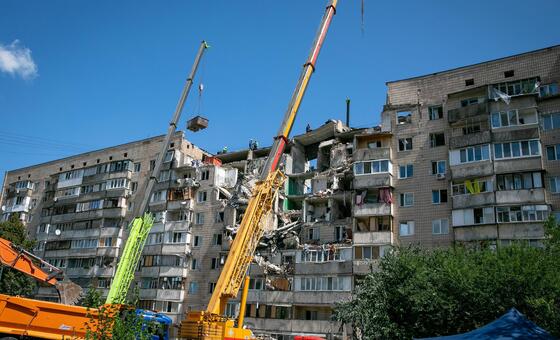
UN reports this past weekend's attacks in Ukraine resulted in approximately 60 civilian deaths and over 240 injuries, according to a briefing by spokesperson Stéphane Dujarric.
This past weekend, violence erupted across Ukraine, and the human cost is staggering. According to a Monday briefing at the United Nations headquarters in New York, these coordinated attacks resulted in the deaths of approximately 60 civilians. That's not just a number—it's 60 families, 60 communities, forever changed.
UN spokesperson Stéphane Dujarric delivered the sobering update, citing data from both UN humanitarian staff on the ground and Ukrainian authorities. The briefing painted a grim picture of the weekend's events, revealing a scale of suffering that's hard to fully comprehend from afar.
### The Scope of the Casualties
Beyond the lives lost, the attacks left a deep wound. More than 240 people were injured, many of them seriously. Hospitals across affected regions were reportedly overwhelmed, struggling to treat everyone from the elderly to children caught in the crossfire. The ripple effects of a single attack stretch far beyond the initial impact, disrupting supply chains, shattering infrastructure, and creating a pervasive sense of fear.
It's the kind of news that makes you pause. You hear these figures—60 dead, 240 wounded—and it's easy for them to become abstract. But each one represents a person with a story, with plans for next week, with people who love them. The UN's role in compiling and presenting this data is crucial; it provides an authoritative, neutral account that cuts through the fog of information warfare.
### The Human Impact Behind the Headlines
What does this actually mean on the ground? Let's break it down:
- **Immediate Aftermath:** First responders and medical personnel worked around the clock, dealing with trauma that ranged from severe burns to shrapnel wounds.
- **Long-Term Consequences:** For every person injured, there's a long road to recovery, often involving multiple surgeries, rehabilitation, and psychological support.
- **Community Disruption:** Schools, markets, and public services in targeted areas were forced to shut down, displacing daily life for thousands more.
The briefing in New York served as a stark reminder that conflicts aren't just about territorial gains on a map. They're measured in human suffering, in the quiet moments of grief that never make the headlines. Dujarric's statement, grounded in direct field reports, underscores the vital importance of humanitarian corridors and the protection of civilian infrastructure—principles that seem increasingly fragile.
### Why This Reporting Matters
In a world saturated with instant updates and conflicting narratives, the UN's methodical reporting provides a critical anchor. They cross-reference information from their own teams—aid workers who are literally dodging shells to deliver food and medicine—with official Ukrainian sources. This dual-sourcing aims for a clearer, more reliable picture of the true toll.
It’s a process built on verification, not velocity. And in conflicts where disinformation can be as dangerous as artillery, that rigor is everything. It allows aid organizations to target their resources, informs diplomatic efforts, and, most importantly, bears witness for the international community.
Ultimately, the numbers from this weekend are a grim metric of a conflict's human price. They tell a story of a peaceful Saturday and Sunday shattered by violence. They remind us that behind every briefing, every press statement from New York, there are real people living through a nightmare. And as the dust settles, the real work begins—the long, painful process of healing, rebuilding, and seeking a way forward for a nation under siege.