A Weekend of Attacks Leaves Dozens Dead and Hundreds Wounded
Dr. Eleanor Vance ·
Listen to this article~4 min
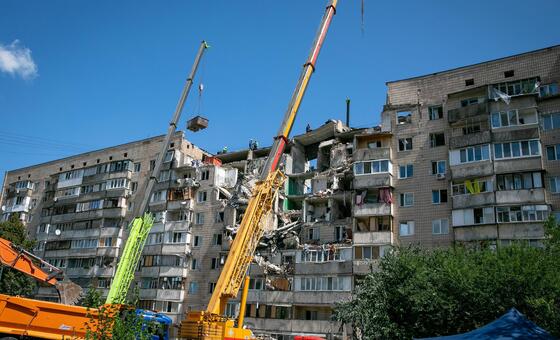
UN reports indicate approximately 60 civilians were killed and over 240 wounded in attacks across Ukraine over the weekend, according to spokesman Stéphane Dujarric.
The numbers are sobering. Over a single weekend, a wave of attacks across Ukraine resulted in a devastating human toll. According to figures reported by the UN and Ukrainian authorities, around 60 civilians lost their lives. More than 240 others were injured, their lives suddenly and violently upended. It's a stark reminder of the ongoing conflict's brutal reality, far from the abstract headlines. We're talking about neighbors, families, people going about their weekend—now caught in the crossfire.
UN spokesman Stéphane Dujarric presented these grim statistics during a briefing for journalists in New York on Monday. The data comes from a combination of sources: UN humanitarian personnel on the ground and official reports from Ukrainian authorities. This dual sourcing aims to provide a clearer, more verified picture, though the true cost in human suffering is always harder to quantify.
### The Human Cost Behind the Headlines
It's easy to see a number like '60' and move on. But we have to pause there. Each one represents a story cut short. A person who won't return home. It's a loss that ripples through communities, leaving gaps that can't be filled. The hundreds wounded face a different kind of struggle—physical recovery, psychological trauma, and the long road back to any semblance of normalcy. These aren't just statistics; they're the immediate, heartbreaking consequences of violence.
### How These Figures Are Compiled
You might wonder, how do they even arrive at these numbers in the middle of an active conflict? It's a painstaking process. UN humanitarian workers coordinate with local agencies, hospitals, and emergency services to gather casualty reports. Ukrainian government bodies compile their own data from regional authorities. These streams of information are then cross-referenced to reduce duplication and inaccuracies as much as possible. It's imperfect work under incredibly difficult conditions, but it's essential for understanding the scale of the crisis and directing aid.
- **Casualty Reporting:** Teams work to verify each incident, distinguishing between civilian and combatant casualties when possible.
- **Geographic Scope:** The attacks were reported from multiple locations across the country, indicating a widespread impact, not isolated to a single front line.
- **The Challenge of Real-Time Data:** In fast-moving conflict zones, initial numbers often shift. Today's count is a snapshot, and the final toll may sadly be higher.
The international community relies on this data, but it also highlights a critical gap. These reports confirm events after they happen. The real challenge—one that seems endlessly out of reach—is preventing the attacks in the first place. As one aid worker on the ground noted, 'We are experts at counting the cost, but we need to become better at stopping it.'
### The Ongoing Impact on Civilians
Beyond the immediate casualties, these attacks create a second wave of crisis. Critical infrastructure is often damaged or destroyed. Think about water supplies, electrical grids, and roads. That disruption affects thousands more people who weren't physically injured. It limits access to medical care, food, and safe shelter. It forces people to flee, adding to the millions already displaced. The weekend's violence, therefore, isn't an isolated event. It's another heavy stone dropped into the pond, and the ripples—of fear, displacement, and infrastructural collapse—spread out for miles and months.
For professionals analyzing these situations, the patterns are becoming tragically familiar. The targeting of civilian areas, the use of explosive weapons in populated zones—it violates international humanitarian law and creates a humanitarian response nightmare. The data from this weekend reinforces a pattern seen throughout the conflict: civilians are bearing the brunt. Understanding this isn't just about documenting history; it's about building the case for accountability and shaping future policies aimed at civilian protection. The work of archivists and analysts is to ensure this data isn't forgotten, that the stories behind the numbers inform a better path forward.