A Weekend of Conflict Leaves Dozens Dead, Hundreds Injured in Ukraine
William Wilson ·
Listen to this article~4 min
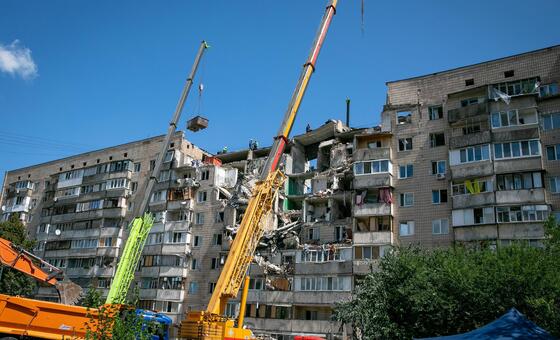
UN briefing confirms approximately 60 killed, over 240 wounded in attacks across Ukraine over the weekend, according to data from humanitarian staff and local authorities.
Over the weekend, a series of attacks across Ukraine resulted in a devastating toll on civilians. According to a briefing at the United Nations headquarters in New York on Monday, approximately 60 people lost their lives, with over 240 others sustaining injuries. UN spokesman Stéphane Dujarric delivered the sobering update, citing data from local UN humanitarian staff and Ukrainian authorities.
### The Human Cost of Conflict
These aren't just numbers on a page. Each one represents a life interrupted, a family shattered. It's the kind of news that makes you pause, wherever you are in the world. The attacks reportedly struck across various regions, a broad pattern that underscores the widespread nature of the violence. When you hear 'over 240 injured,' you have to think about the long-term impact—the medical care, the trauma, the recovery that stretches far beyond a single weekend.
It's a stark reminder of how quickly normalcy can be torn apart. One day you're going about your weekend, and the next, everything changes. The UN's role in gathering and reporting this data is critical. They're often the neutral eyes on the ground, piecing together a clearer picture from the chaos. Their work provides a baseline of truth when information can be so fragmented.
### The International Response and Ongoing Crisis
The fact that this briefing happened in New York, thousands of miles away, speaks volumes. It shows how a regional conflict reverberates on the global stage. Diplomats, aid organizations, and journalists all tuning in to understand the latest human cost. It puts pressure on the international community to respond, to find paths toward de-escalation and humanitarian relief.
What does aid look like in this situation? It's not just about sending supplies, though that's desperately needed. It's about:
- Securing safe corridors for civilians to evacuate
- Ensuring medical facilities have the resources to treat the wounded
- Supporting local organizations already on the front lines of the response
- Documenting violations to hold perpetrators accountable
This cycle of attack and response has become a tragic pattern. Each escalation deepens the humanitarian crisis, making the road to any peaceful resolution longer and more difficult. The international community often finds itself in a reactive stance, scrambling to address the consequences rather than preventing the causes.
### Looking Beyond the Headlines
As we absorb this news, it's easy to feel a sense of helplessness. The scale is enormous, the politics complex. But these reports serve a vital purpose. They bear witness. They prevent the human suffering from being forgotten or reduced to a statistic in a broader geopolitical struggle. They remind us that at the center of every conflict are ordinary people—parents, children, neighbors—whose lives are being irrevocably changed.
The coming days will reveal more. Aid efforts will mobilize, investigations will begin, and the daunting task of rebuilding will start for some communities. For others, the search for the missing and the mourning of the lost will take precedence. This single briefing in New York is just one snapshot in an ongoing, painful narrative. It's a call for attention, for compassion, and ultimately, for a renewed push toward peace. The true test is whether the world is listening closely enough to turn that call into meaningful action.