The Weekend Toll: UN Briefing Reveals Human Cost of Escalating Attacks
Klaus Richter ·
Listen to this article~3 min
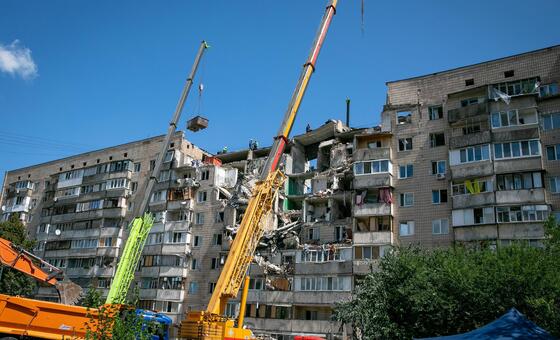
UN spokesperson Stephane Dujarric confirmed devastating weekend attacks in Ukraine, citing UN and Ukrainian sources. Approximately 60 civilians were killed and over 240 wounded.
Let's talk about what happened over the weekend. It's the kind of news that stops you in your tracks. On Monday, from a briefing room in New York, a stark picture emerged from Ukraine. The human cost, frankly, is devastating.
Stephane Dujarric, the UN Secretary-General's spokesperson, delivered the update. He wasn't just sharing numbers; he was relaying a human tragedy confirmed by UN humanitarian workers on the ground and by Ukrainian authorities themselves. The message was clear and heartbreaking.
### The Human Toll in Plain Numbers
Over those two days, attacks across Ukraine claimed the lives of approximately 60 civilians. That's 60 people who won't come home. Beyond that, more than 240 others were wounded. Think about that for a second. We're talking about over 300 individuals and families whose lives were violently upended in a single weekend. It's a scale of suffering that's hard to fully comprehend from afar.
These aren't abstract statistics. They're neighbors, parents, shopkeepers, students—people caught in a conflict they didn't start. The briefing underscored that these were attacks impacting civilian areas, which makes the numbers feel even more crushing.
### The Weight of Official Confirmation
There's a particular gravity when information comes through these channels. Dujarric's statement wasn't based on isolated reports or social media snippets. It was built on data painstakingly gathered by UN humanitarian personnel who are there, witnessing the aftermath, and coordinated with official Ukrainian sources.
This dual-source confirmation adds a layer of sobering credibility. It means the figures, as hard as they are to hear, represent a documented reality. It's the international community's mechanism for saying, "We see this. We are recording this."
When the UN spokesperson stands up in New York, it's often to cut through the fog of war with verified facts. In this case, the fact is a massive spike in civilian casualties concentrated in a very short timeframe.
### Why This Briefing Matters Now
So why does a Monday briefing in New York resonate so strongly? It acts as a weekly pulse check, but this one signaled a dangerously elevated heart rate. A weekend casualty count this high suggests an intensification, a shift in tactics, or a broadening of targets. It's a data point that tells aid organizations to brace for increased need and diplomats to sound new alarms.
For the rest of the world, it's a grim reminder that the conflict continues to extract its highest price from ordinary people. The weekend's violence ripples out—straining hospitals, creating new waves of displacement, and deepening trauma in communities that have already endured so much.
As one analyst recently put it, 'Each briefing with numbers like these isn't just a report; it's an indictment of the ongoing violence against civilian life.'
The takeaway here is painfully simple: the situation remains critical. The human suffering, quantified so starkly by the UN, demands attention and action far beyond the briefing room. It's a call to remember what's truly at stake, not in geopolitical terms, but in human ones.