West Bank at a 'Breaking Point': UN Official Demands Immediate Action
Emma Vermeer ·
Listen to this article~4 min
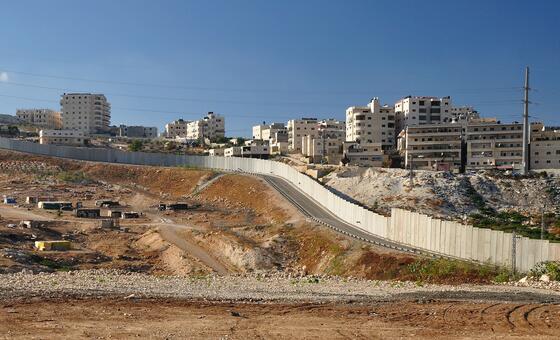
A top UN official warns the occupied West Bank is at a 'critical point' and demands immediate international action. Here's what's driving the escalation and why it matters now.
The situation in the occupied West Bank has reached what one UN official calls a "critical point," and the warning comes with a clear demand: the international community needs to step up, and it needs to do it now.
Speaking at a Tuesday meeting of the UN Security Council, Ramiz Alakbarov, the Deputy Special Coordinator for the Middle East Peace Process, didn't sugarcoat the reality on the ground. His message was stark and direct, and it's one that should grab the attention of anyone following the region.
But what does this "breaking point" actually mean in practical terms? Let's unpack what's happening, why the timing matters, and what could come next.
### The Core Warning: Why Now?
Alakbarov's briefing wasn't just routine diplomatic talk. He was making a specific case that the current trajectory is unsustainable. The term "critical point" isn't just a dramatic phrase—it signals that the existing frameworks for managing the conflict are failing to keep pace with the reality on the ground.
When a senior UN official uses language like this at the Security Council, it typically means that the data and reports coming in from the field are showing a sharp decline in stability. It's a way of saying that without a course correction, things could spiral into something much worse.
### What's Driving the Escalation
Several factors are converging to create this volatile mix. While the full details of the briefing are extensive, a few key drivers stand out:
- **Rising violence and settler activity:** The frequency and intensity of clashes between settlers and Palestinian communities have increased, leading to a cycle of retaliation that's hard to break.
- **Economic pressure:** Palestinians in the West Bank are facing severe economic strain, with high unemployment and restricted movement making daily life increasingly difficult.
- **Political deadlock:** The lack of a viable political horizon has left many feeling that they have nothing to lose, which fuels frustration and extremism on all sides.
- **Humanitarian concerns:** Access to basic services like healthcare and clean water is becoming more inconsistent, putting additional strain on local populations.
These aren't new issues, but they're compounding. The difference now is the speed at which they're deteriorating.
### The Call for International Action
Alakbarov's appeal to the Security Council wasn't just a status report; it was a request. He's essentially asking the international community to move beyond statements of concern and toward concrete actions that can de-escalate the situation.
This could mean anything from increased diplomatic pressure to more robust funding for humanitarian programs. The hope is that a coordinated international response can create enough leverage to pull the region back from the brink.
### Why This Matters Beyond the Region
The West Bank isn't just a local issue. What happens there has ripple effects across the entire Middle East and, by extension, global security. When the UN Security Council is convened on this topic, it's an acknowledgment that this is a matter of international peace and stability.
For professionals in the United States who track foreign policy, security, or international law, this is a signal that the window for a two-state solution is narrowing. The "critical point" language suggests that we're approaching a moment where the options available to policymakers become much more limited.
### What to Watch For
In the coming weeks, keep an eye on a few things. First, will the Security Council issue a formal statement or resolution? Second, are there any signs of a shift in US policy toward the region? And third, how will the Palestinian Authority and the Israeli government respond to the increased international scrutiny?
The situation is fluid, and the stakes are high. Alakbarov's warning is a reminder that the status quo isn't just unsustainable—it's dangerous. The international community now has a choice: act on this warning or wait for the "breaking point" to become a breaking reality.