A West Bank Village Under Siege: What UN Aid Workers Found in Qusra
Jennifer Smith ·
Listen to this article~4 min
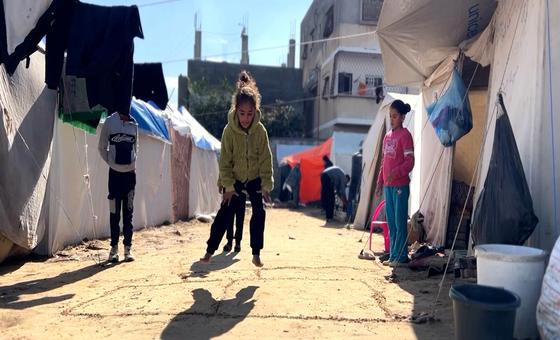
UN aid workers reached the besieged village of Qusra near Nablus, where three Palestinian families remain trapped by Israeli military and settlers after a new outpost appeared near their homes.
When you hear about the West Bank, it's easy to get lost in the big-picture politics. But sometimes, the most important stories are the small, human ones. A single village. A handful of families. And the quiet, determined effort to bring them basic supplies.
That's exactly what happened recently in Qusra, a small Palestinian village just south of Nablus. UN humanitarian workers finally managed to reach the area, where three Palestinian families have been effectively trapped. They're surrounded by Israeli military forces and settlers, and the situation has been tense for weeks.
### What's Actually Going On in Qusra?
Here's the backstory. The siege didn't start over some dramatic incident. It started with the creation of an Israeli outpost right next to their homes. That single act changed everything for these families.
Imagine waking up one day to find a new settlement being built literally in your backyard. Suddenly, your daily life becomes a negotiation. Your movements are restricted. Your safety feels uncertain. That's the reality these three families have been living through.
The UN teams that finally got through brought what they could: food, water, and other essentials. It sounds simple, but in a situation like this, getting those basic items to the right people is a logistical nightmare.
### Why This Matters Beyond the Headlines
It's worth stepping back for a second. This isn't just about one village or three families. It's a snapshot of a much larger pattern.
- **Restricted Movement:** When outposts go up, the surrounding area becomes a zone of control. People can't move freely.
- **Humanitarian Access:** Aid organizations often face significant delays or outright denials when trying to reach communities in these areas.
- **Everyday Survival:** For the families involved, the question isn't about politics. It's about whether they'll have enough flour for bread this week.
The fact that UN workers had to "reach" a village that's only about 20 miles from Nablus tells you how difficult the situation has become. It's not a remote mountain location. It's a place that should be a short drive away.
### The Human Cost of a Standoff
We often talk about conflict in terms of strategy and territory. But on the ground, it's about people trying to live their lives.
For the families in Qusra, the siege means their kids can't safely play outside. It means they might not be able to get to a doctor if something goes wrong. It means every trip to the store is a calculation of risk.
One of the aid workers described the scene as quiet but heavy. There's no active fighting happening right now, but the pressure is constant. The military presence is visible. The settlers are nearby. And the families are caught in the middle, waiting for someone to change the rules of the game.
### What Happens Next?
The delivery of supplies is a positive step, but it's not a solution. The core issue—the outpost itself—remains unresolved.
For now, the families have what they need to get through the next few days. But the longer-term question is whether the international community will push for a more lasting change. The UN's presence here is a signal that the situation is being watched, but watching alone doesn't shift the reality on the ground.
In the meantime, the people of Qusra continue to do what people everywhere do in tough times: they hold on. They wait. And they hope that the next delivery of supplies comes a little easier than the last one did.