What the Latest UN Report Reveals About Global Crises: Ukraine, Gaza, and Hunger
David Wilson ·
Listen to this article~5 min
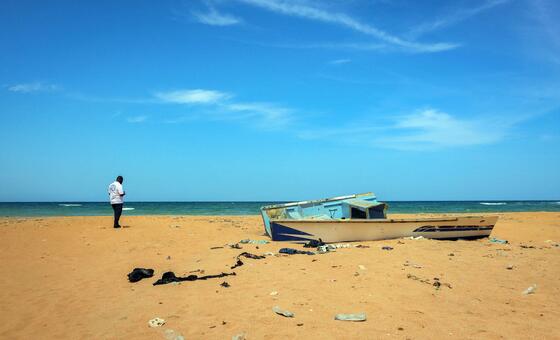
A look at Monday's key global events: the worsening civilian crisis in Ukraine, renewed shelling in Gaza, a migrant tragedy off Mauritania, and the UN's food security report. What these mean for US professionals in crisis response and policy.
The world is facing some heavy challenges right now, and if you've been following the news, you know it's a lot to take in. On Monday, the United Nations and global media highlighted a few key stories that really show how interconnected—and fragile—our world is. Let's break down what happened and why it matters for you, especially if you're working in crisis response or policy in the US.
### The Situation in Ukraine: Long-Range Strikes Hit Hard
First up, Ukraine. The situation for civilians there is getting worse, and that's saying something given how tough it's already been. We're seeing a new wave of long-range strikes that are hitting deeper into the country. These aren't just military targets—they're affecting everyday people. Think about it: when missiles travel hundreds of miles, they don't discriminate between a military base and a school. The UN reports that civilian casualties are climbing, and the infrastructure people rely on—like power grids and hospitals—is taking a beating. For professionals in humanitarian aid, this means the need for shelter, food, and medical supplies is spiking. It's a reminder that war isn't just a headline; it's a daily reality for millions.
### Gaza: Renewed Shelling and Civilian Losses
Then there's Gaza. The news from Monday talked about new shelling in the Gaza Strip, and unfortunately, it's leading to more civilian deaths. This is a cycle that feels endless, but each life lost is a tragedy. The UN has been calling for ceasefires, but the violence keeps going. For those of us watching from the US, it's easy to feel distant, but the ripple effects are real—from global security concerns to the strain on international aid organizations. If you're involved in diplomacy or non-profit work, this is a stark reminder of how fragile peace can be.
### Migrant Tragedy Off Mauritania's Coast
A heartbreaking story came from off the coast of Mauritania, where migrants lost their lives trying to reach safety. The Atlantic route from West Africa to Europe is one of the deadliest migration paths in the world. Boats often overcrowded and unseaworthy, and the distance is immense. The UN's International Organization for Migration reported this incident, highlighting the desperate circumstances that push people to take such risks. It's a global issue that hits close to home, too—migration patterns affect US policy and border security conversations. For professionals in immigration law or refugee services, this is a call to action to advocate for safer pathways.
### The UN's Food Security Report: A Stark Warning
Finally, the UN released a major report on global food security. And the findings? They're sobering. The number of people facing acute hunger is rising, driven by conflicts, climate shocks, and economic instability. We're talking about millions of people who don't know where their next meal is coming from. The report emphasizes that this isn't just a problem for faraway countries—it affects global markets and can fuel migration. For US-based professionals in agriculture, supply chain, or policy, this report is a must-read. It shows where resources are needed most and how we can help stabilize food systems.
### What This Means for You
So, why should you care? Because these aren't isolated events. They're connected. The war in Ukraine affects grain prices worldwide. The instability in Gaza fuels regional tensions. Migrant crises reshape demographics and policies. And food insecurity can lead to political upheaval. As a professional in this space—whether you're in non-profit, government, or private sector—staying informed is the first step. The second is figuring out how to respond. The UN's reports are a tool for that. They give us data, context, and a call to action.
Here's a quick list of takeaways from Monday's events:
- **Ukraine**: Civilian protection needs are urgent. Support for humanitarian corridors is critical.
- **Gaza**: Ceasefire efforts must continue. Civilian casualties are unacceptable.
- **Mauritania**: Migrant deaths are preventable. Safer migration routes and legal pathways are needed.
- **Food security**: Global hunger is rising. Investment in sustainable agriculture and emergency aid is vital.
This isn't just news. It's a snapshot of the world we live in and the work we have to do. Let's keep the conversation going.