WHO's Dnipro Warehouse Hit Three Times—What It Means for Frontline Clinics
Eleanor Vance ·
Listen to this article~5 min
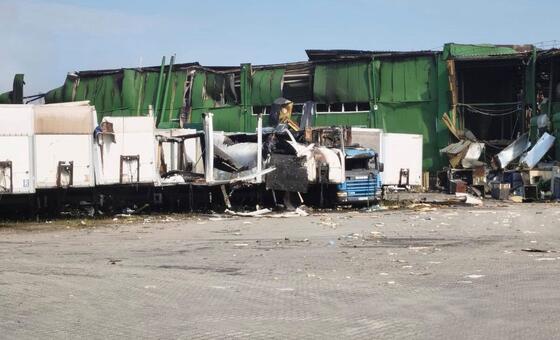
WHO confirms its Dnipro warehouse was hit three times, destroying all emergency medical supplies meant for frontline clinics in eastern Ukraine. Two strikes happened within 24 hours, leaving hospitals without critical aid.
When a humanitarian warehouse becomes a target, the ripple effects are felt far beyond the blast radius. That's exactly what happened this week in Dnipro, Ukraine, where the World Health Organization (WHO) confirmed that its storage facility—packed with emergency medical supplies—was struck not once, not twice, but three times. Two of those hits came within a single 24-hour window, and the result is devastating: every last supply meant for hospitals near the front lines is now gone.
You might be wondering why this matters so much. After all, warehouses get damaged in war zones all the time, right? True, but this one was different. It wasn't just a random storage unit. It was a lifeline. The WHO had stocked it with trauma kits, surgical equipment, oxygen supplies, and essential medicines—all pre-positioned for clinics in the most dangerous parts of eastern Ukraine. Those are the places where medics are already working around the clock, often without power or water, and now they've lost their backup.
### The Human Cost Behind the Headline
Let's put this into perspective. Imagine you're running a small hospital in a town that's been shelled for months. Your shelves are almost bare, and you're relying on a delivery that's supposed to arrive from Dnipro. That delivery is now ash. For doctors and nurses on the ground, this isn't just an inconvenience—it's a matter of life and death.
The WHO says the attacks appear to be part of a broader pattern, though they stopped short of assigning blame. What's clear is that international humanitarian law protects medical facilities and supplies during armed conflict. Striking a warehouse full of aid isn't just a tactical move; it's a violation of the rules that are supposed to keep civilians safe.
### What Was Lost and What Happens Next
The sheer volume of destroyed supplies is staggering. We're talking about enough emergency kits to treat thousands of patients. These aren't luxury items—they're the basics: bandages, IV fluids, antibiotics, and even simple painkillers. Without them, frontline medics are being forced to make impossible choices about who gets care and who doesn't.
The WHO is already working on a plan to restock, but that takes time and money. And in a conflict where every day brings new casualties, time is the one thing nobody has enough of. The agency has called for safe passage for new shipments, but until that happens, the gap between need and supply is only going to widen.
### Why This Should Concern You
If you're reading this from the United States, you might feel like this is a world away. But here's the thing: global health security doesn't stop at borders. When a WHO warehouse is destroyed, it weakens the entire international response network. That's the same network that would spring into action if a disaster hit closer to home. And beyond that, there's a moral question: how many more aid facilities have to be hit before the international community steps up and says enough?
- The attacks targeted a civilian infrastructure hub, not a military installation.
- All stored emergency supplies were destroyed, leaving zero buffer for frontline hospitals.
- The WHO is calling for renewed commitments to protect humanitarian workers and assets.
### The Bigger Picture
This isn't just a story about a warehouse. It's a story about what happens when the rules of war are ignored. It's about the doctors who have to triage patients without the tools they need. It's about the patients who won't make it because the meds never arrived. And it's about a global system that's struggling to keep up with the chaos.
There's no easy fix here. Rebuilding the supply chain will take weeks, maybe months. But what we can do is pay attention. Because when humanitarian aid becomes a target, we're all a little less safe—no matter where we call home.
If you want to stay informed about how this situation develops, keep an eye on the WHO's public updates. And if you're in a position to support humanitarian relief efforts, even a small donation can help bridge the gap while new supplies are being sourced. In times like these, every little bit counts.