WHO Records 914 Attacks on Health Facilities in a Single Year
William Taylor ·
Listen to this article~4 min
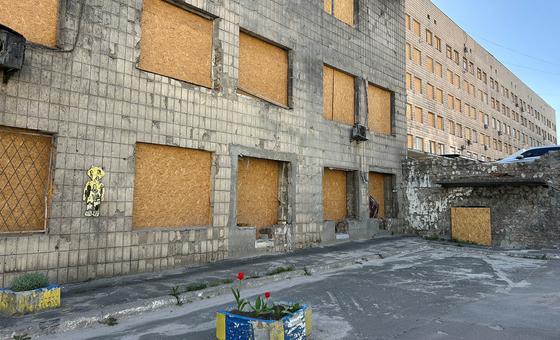
The WHO recorded 914 attacks on healthcare facilities in 2026, killing 911 and wounding 1,486. That's over four assaults daily, and the true cost is even higher.
The numbers are staggering, and they're not from a war zone you might expect. The World Health Organization has documented 914 attacks on healthcare facilities and workers in 2026 alone. That's more than four assaults every single day, targeting the very places people turn to for safety and healing.
To put that in perspective, imagine a hospital in your neighborhood being hit with gunfire, shelling, or outright destruction every few hours. The scale is almost impossible to grasp, yet it's the reality for countless communities around the globe. These aren't just statistics; they represent real people caught in the crossfire of conflict and chaos.
### The Human Toll Behind the Numbers
The WHO's latest data paints a grim picture. At least 911 people lost their lives in these attacks, and another 1,486 were wounded. That's nearly a thousand families shattered, and more than a thousand survivors left to recover from injuries that never should have happened in the first place.
What makes this even more troubling is that these figures likely undercount the true scope of the problem. When health systems collapse under repeated assaults, the indirect deaths—from untreated illnesses, complications during childbirth, or delayed emergency care—can be far higher than the direct casualties.
### Why Are Health Facilities Being Targeted?
There's no single answer, but the patterns are consistent. In many conflict zones, hospitals are seen as strategic assets. They provide shelter, supplies, and a gathering point for civilians. That makes them targets for groups looking to disrupt operations or gain a tactical advantage.
- **Deliberate attacks:** Some strikes are intentional, aimed at destroying medical infrastructure to weaken a region.
- **Collateral damage:** Others are accidental, but no less deadly when a missile lands near a maternity ward.
- **Looting and occupation:** Some facilities are raided for supplies, while others are turned into military bases, forcing staff to flee.
It's a violation of international law, which explicitly protects medical workers and facilities during armed conflict. But laws on paper don't stop bullets in practice.
### The Ripple Effect on Communities
When a hospital goes down, the entire community feels it. Emergency rooms shut their doors, surgeries get postponed, and chronic conditions go unmanaged. In some regions, the nearest functioning clinic might be hours away, if it's still standing at all.
Local medical staff often become the unsung heroes, working in basements or makeshift tents to keep basic care alive. They risk their own lives to save others, and many have paid the ultimate price for their dedication.
> "Health workers are not a target. They are the lifeline of every community, especially in times of crisis." — A sentiment echoed by humanitarian organizations worldwide.
### What Can Be Done About It?
The WHO and its partners are pushing for stronger accountability. They're documenting every attack, hoping that public pressure and legal consequences will deter future strikes. But change won't come from reports alone.
International bodies need to enforce existing protections, and governments with influence over conflict parties must use that leverage. On a smaller scale, supporting organizations that provide medical aid in war zones can make a tangible difference. Donations to groups like Doctors Without Borders or the International Committee of the Red Cross go directly to keeping these lifelines operational.
### A Call to Stay Informed
It's easy to scroll past headlines like this, especially when the numbers feel abstract. But behind each figure is a person who needed help and couldn't get it. Awareness is the first step toward action, and action is what will finally bring these numbers down.
If this story resonates with you, consider sharing it or looking into how you can contribute to healthcare relief efforts. The next attack could be prevented if enough people care to demand change.