Why Aid Workers Are Increasingly in the Crosshairs of Drone Warfare
Dr. Helena Dubois ·
Listen to this article~5 min
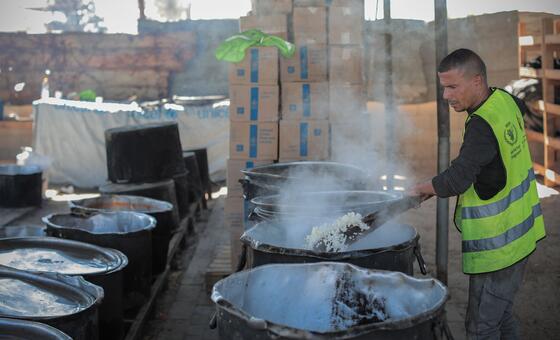
The UN warns that armed drones are changing modern warfare, putting humanitarian workers at greater risk than ever. Here's why aid staff are in the crosshairs and what it means for global relief efforts.
When we think about modern warfare, we often picture tanks, fighter jets, and soldiers on the ground. But there's a quieter, deadlier shift happening in conflict zones around the world. It involves small, buzzing machines that can change the outcome of a battle in seconds. And the people feeling this shift most acutely aren't just the combatants—they're the humanitarian workers trying to deliver food, water, and medical care to those in need.
The United Nations recently highlighted this troubling trend on World Humanitarian Day. Their warning is stark: the widespread use of armed drones is fundamentally altering the nature of armed conflict. What's more, the personnel of humanitarian organizations are increasingly finding themselves directly in the line of fire. This isn't just a headline from a distant war zone; it's a reality that affects how aid gets delivered, who is willing to do the work, and whether the most vulnerable people on Earth will receive the help they desperately need.
### The New Face of the Battlefield
Drones have been around for a while, but their role has evolved dramatically. They're no longer just used for surveillance or reconnaissance. Today, they're weapons themselves. An operator might be sitting thousands of miles away, watching a live feed on a screen, and yet they can launch a strike with terrifying precision. The problem is, that "precision" isn't always as accurate as advertised.
Aid workers tell stories of drones hovering overhead, making it nearly impossible to distinguish between a civilian truck and a military convoy. The psychological toll is immense. You can't hear a drone coming until it's right on top of you, and you never know if it's watching you or targeting you.
### Why Aid Workers Are Vulnerable
You might wonder why humanitarian staff are being hit more often. It's not because they're doing anything wrong. In fact, they're doing everything right—wearing identifiable vests, driving marked vehicles, and coordinating with all parties to ensure safe passage. But in the chaos of conflict, those markings don't always matter.
Here are a few reasons why aid workers are ending up in the crosshairs:
- **Misidentification**: In the fog of war, a drone operator might mistake an aid convoy for a military supply line.
- **Deliberate targeting**: In some conflicts, armed groups view humanitarian organizations as a threat to their control or as legitimate targets.
- **Collateral damage**: Even when the target is correct, drones can cause unintended civilian casualties in the immediate vicinity.
- **Lack of accountability**: Drone strikes often happen without a clear chain of command, making it hard to investigate incidents or hold anyone responsible.
### The Ripple Effect on Humanitarian Operations
When aid workers can't operate safely, everyone suffers. We're not just talking about a few delayed deliveries. We're talking about entire regions being cut off from essential supplies. In places like Yemen, Syria, and parts of Sub-Saharan Africa, a single drone strike can halt operations for weeks. Staff members refuse to travel, organizations pull out their expatriate teams, and local employees are left to shoulder the burden alone.
I spoke with a field coordinator who worked in a conflict zone last year. She told me that her team's entire approach had changed. They now move only at night, use unmarked vehicles, and avoid any roads that have seen drone activity. "It's like we're the ones being hunted," she said. "We're not soldiers. We're just trying to help."
### What Can Be Done About It
The international community isn't ignoring this problem, but solutions are slow to materialize. Some experts argue for stronger international laws to govern drone warfare. Others call for better communication channels between militaries and humanitarian groups, so that aid convoys can be clearly identified and protected.
There's also a push for more transparency. When a drone strike does hit civilians or aid workers, there needs to be a full investigation. Right now, that rarely happens. The result is a culture of impunity that makes the humanitarian space more dangerous every day.
### A Call for Awareness
The next time you hear about a drone strike on the news, think about who else might be affected. Beyond the military targets, there are doctors, nurses, engineers, and logisticians who are just trying to make a difference. They're not asking for medals or recognition. They just want to do their jobs without being treated as targets.
This is a complex issue with no easy answers. But awareness is the first step. If we understand how drones are changing the battlefield, we can push for policies that protect the people who risk everything to help others. Because at the end of the day, the true measure of our humanity isn't how advanced our weapons are—it's how we treat the most vulnerable among us.