Why Aid Workers Are Increasingly in the Crosshairs of Modern Drone Warfare
Prof. Dr. Markus Schmidt ·
Listen to this article~5 min
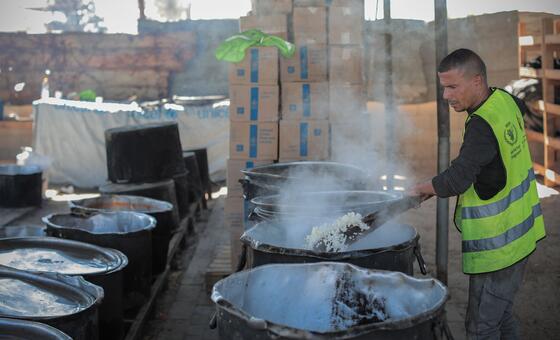
The UN warns that attack drones are reshaping modern warfare, putting humanitarian workers at unprecedented risk. Here's what's changing and why it matters.
### The Changing Face of Conflict
When we think about war, our minds often drift to tanks rolling across borders or soldiers in trenches. But the reality of modern conflict looks very different. It happens in the sky, often silently, and it's changing who gets hurt. The United Nations marked World Humanitarian Day with a stark warning: the widespread use of attack drones is fundamentally altering the nature of combat worldwide. And the people paying the highest price are the humanitarian workers who rush in to help.
It's a grim reality we can't afford to ignore. These aren't just distant headlines. They represent a shift in how wars are fought, and the rules of engagement are being rewritten in real time. For those on the ground, the danger has never been more personal.
### A New Kind of Danger
For decades, aid workers relied on a certain level of protection. Their vehicles were marked, their locations were known, and there was an unspoken understanding that they were neutral. That sense of security is evaporating. Drones have changed the calculus. They offer a level of surveillance and precision that was unimaginable just a few years ago. But that technology isn't always being used to protect the innocent.
Instead, we're seeing a troubling pattern: humanitarian convoys are being tracked, and their staff are being targeted. The very tools that were supposed to reduce collateral damage are now creating new vulnerabilities. It's a paradox that's hard to wrap your head around. The same technology that can pinpoint a single target in a crowded city can also be used to track the movements of a medical team trying to reach the wounded.
### The Human Cost of Precision
The term "precision strike" sounds clinical, almost clean. But the reality on the ground is anything but. When a drone strike hits a school or a hospital, the consequences are devastating and far-reaching. It's not just about the physical destruction. It's about the fear that paralyzes entire communities. It's about the message it sends to every other aid worker: you could be next.
Here's what the UN is really worried about:
- **Increased Risk:** Aid workers are no longer seen as neutral parties. They're viewed as legitimate targets in some conflicts.
- **Restricted Access:** In many war zones, humanitarian organizations are being forced to pull out because it's simply too dangerous to stay. This leaves vulnerable civilians without essential food, water, and medical care.
- **A Chilling Effect:** The constant threat of aerial attack makes it nearly impossible for local staff to do their jobs. The psychological toll is immense, and recruitment for new aid workers is becoming increasingly difficult.
The numbers are stark. We're seeing a record number of aid workers killed in the line of duty. And while the world focuses on the geopolitical chess match, we're losing the very people who are trying to put the pieces back together.
### Why This Matters to You
You might be wondering why this should matter to you, sitting miles away from the nearest conflict zone. The answer is simple: humanity is a shared project. When we allow the rules of war to erode, we all lose. The safety of aid workers isn't just their problem; it's a barometer for the state of our world.
If we accept that it's okay to target the people bringing water to a drought-stricken village, we're accepting a world where chaos reigns supreme. It's a slippery slope, and we're already on it.
### A Call for Accountability
The UN's warning is a call to action. We need stronger international laws to protect humanitarian workers, and we need to hold those who violate them accountable. It's not enough to issue statements of concern. We need concrete action.
This means putting pressure on governments to condemn these attacks publicly. It means supporting organizations that are working to document these crimes. And it means having honest conversations about the role of drones in modern warfare. The technology isn't going away, but how we use it is a choice.
The next time you see a story about a drone strike, remember the people on the ground. Remember the nurses, the doctors, and the logistics coordinators who are risking everything to help strangers. They are the true heroes of our time, and they deserve better than a world that treats them as collateral damage.