Why Millions of Patients Still Face Unsafe Sanitation in Hospitals
Jennifer Wilson ·
Listen to this article~4 min
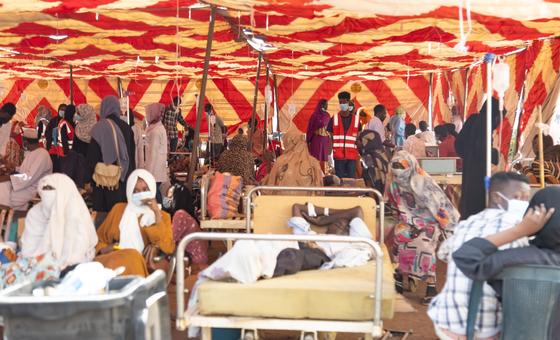
A new WHO/UNICEF study reveals that millions of patients still face unsafe sanitation in healthcare facilities. Despite progress, basic water and hygiene services are missing in many hospitals worldwide.
You'd think that in this day and age, every hospital on the planet would have clean water and working toilets. But the reality? It's far from that. A new joint study from the World Health Organization (WHO) and UNICEF just dropped some sobering numbers, and honestly, they're hard to ignore.
We're talking about basic stuff here—the kind of things you don't even think about until they're missing. Yet for millions of patients worldwide, a trip to the hospital comes with a side of risk they never signed up for.
### What the Research Actually Found
The report looked at healthcare facilities across the globe, and while there's been real progress over the last decade, the gaps are still massive. Many clinics and hospitals simply don't have reliable access to clean water, proper sanitation, or even the basics of hygiene like soap and hand-washing stations.
Here's the kicker: this isn't just a developing-world problem. Even in wealthier nations, rural and underfunded facilities struggle to keep up. But the heaviest burden falls on low-income countries, where nearly half of all healthcare facilities lack basic water services.
- 1 in 4 health facilities worldwide has no water service on site
- About 1 in 3 lacks hand hygiene facilities at points of care
- Roughly 1 in 10 has no sanitation system at all
Those numbers aren't just statistics. They translate to real people—mothers giving birth, kids with infections, elderly folks recovering from surgery—all exposed to preventable diseases because the system around them is broken.
### Why This Matters More Than You Think
Here's where it gets personal. When a hospital can't guarantee clean water, it can't guarantee safe care. Think about it: surgeons need sterile environments. Nurses need to wash their hands between patients. Newborns need clean birthing conditions. Without these basics, every treatment becomes a gamble.
The WHO and UNICEF have been pushing for years to make Water, Sanitation, and Hygiene (WASH) a priority in global health policy. But progress is slow, and funding is patchy. It's one of those issues that doesn't get flashy headlines, yet it quietly undermines everything else we're trying to achieve in public health.
> "No patient should ever have to worry whether the water used to clean their wound is safe." — That's the sentiment driving this push.
### What Could Change the Game
The good news? We know what works. Investing in simple infrastructure—like rainwater harvesting, solar-powered pumps, and low-cost sanitation units—can transform a facility overnight. Training staff on hygiene protocols also makes a huge difference, even when resources are tight.
Some countries are already showing it's possible. In parts of Africa and South Asia, community-led initiatives have brought clean water to rural clinics for less than $5,000 per facility. That's a fraction of what we spend on a single MRI machine in the U.S.
### The Takeaway for Rezka Professionals
If you're working in the healthcare space, this study is a wake-up call. Whether you're a clinician, an administrator, or a policymaker, there's a role for you in closing this gap. It might mean advocating for better funding, designing more resilient systems, or simply starting a conversation about what "safe care" really requires.
We can't claim to care about patient outcomes while ignoring the water they drink and the surfaces they touch. The data is clear, the solutions exist, and the time to act is now. Because at the end of the day, everyone deserves a hospital that heals them—not one that puts them at risk.