Why Only 43% of Ukrainian Babies Get Exclusive Breastfeeding
Margriet Smit ·
Listen to this article~5 min
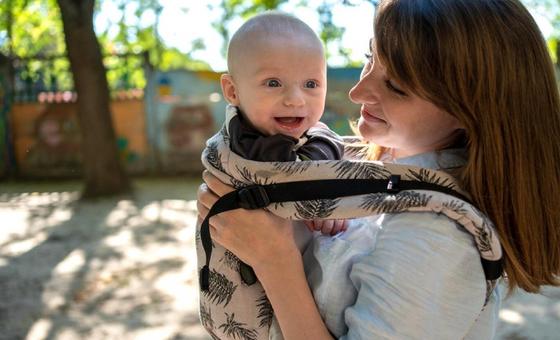
Nearly 74% of Ukrainian newborns are breastfed within the first hour, yet only 43% continue exclusively through 6 months. New WHO/UNICEF data reveals the gaps and what needs to change.
The first hour after birth is a magical, chaotic blur. You're exhausted, the room is buzzing, and suddenly there's this tiny human on your chest. For nearly three out of four Ukrainian newborns, that first hour includes being placed at the breast. It's a simple act with profound implications for both mom and baby—a bonding moment that kickstarts immunity, regulates temperature, and sets the stage for a healthier start to life.
Yet here's where the story takes a sharp turn. Despite that promising beginning, only 43 percent of infants aged 0 to 5 months in Ukraine receive exclusive breastfeeding—meaning no water, formula, or even a drop of juice. That's a significant drop-off from the World Health Organization (WHO) and UNICEF's recommendation of exclusive breastfeeding for the first six months. So what's happening between that golden hour and the three-month mark?
### The Data Behind the Headline
The numbers come from a 2025–2026 study released jointly by Ukraine's Ministry of Health, UNICEF, and WHO, timed to coincide with World Breastfeeding Week. It's not just a random statistic—it's a snapshot of a systemic challenge. While early initiation rates are strong, sustaining exclusive breastfeeding through those early months is where many mothers hit roadblocks.
Think of it this way: starting a marathon is one thing, but finishing it requires training, support, and water stations along the route. For Ukrainian mothers, the "water stations" often run dry.
### Why Mothers Stop Early
There's no single villain in this story. Instead, it's a mix of cultural, medical, and practical pressures that chip away at a mother's confidence and ability to continue.
- **Lack of workplace support:** Maternity leave in Ukraine is generous, but returning to work often means limited pumping breaks or no private space to express milk.
- **Misinformation and old wives' tales:** Many grandmothers still insist that babies need water or that formula is "more filling" and better for sleep.
- **Inconsistent hospital practices:** While early skin-to-skin is common, follow-up lactation support is often scarce. Once mom leaves the hospital, she's on her own.
- **Aggressive formula marketing:** In some regions, formula companies still distribute free samples or "gift bags" that undermine breastfeeding confidence.
These aren't just Ukrainian problems—they're global ones. But the gap between the 74 percent who start breastfeeding within the first hour and the 43 percent who continue exclusively is a red flag that the system is failing mothers somewhere along the line.
### The Health Stakes Are Real
Exclusive breastfeeding isn't a lifestyle trend; it's a lifesaving intervention. Breast milk delivers antibodies, enzymes, and nutrients that formula simply can't replicate. For babies in the first six months, it reduces the risk of respiratory infections, diarrhea, and sudden infant death syndrome. For mothers, it lowers the risk of breast cancer, ovarian cancer, and postpartum depression.
> "Breastfeeding is the most cost-effective intervention we have for child survival," says a WHO spokesperson. "Every week of exclusive breastfeeding counts."
In a country already navigating the stress of war and displacement, ensuring that every infant gets this protective start is more critical than ever. Stress, poor nutrition, and interrupted routines—all common in conflict zones—can suppress milk supply, making support services even more essential.
### What Needs to Change
Closing the gap between 74 percent and 43 percent isn't about shaming mothers who choose formula. It's about removing the barriers that make exclusive breastfeeding nearly impossible for many.
Here's what would actually move the needle:
- **Lactation consultants in every maternity ward** who follow up with new moms at 2, 6, and 12 weeks.
- **Workplace policies that guarantee pumping breaks** and private, clean spaces for expressing milk.
- **Public education campaigns** that target grandmothers and fathers, not just mothers.
- **Stricter enforcement of the International Code of Marketing of Breast-milk Substitutes** to stop formula companies from preying on vulnerable new parents.
### A Call to Action That Matters
The 2025–2026 data isn't just a report—it's a mirror. It shows us where we're succeeding (early initiation) and where we're failing (sustained support). For every mother who wants to breastfeed but can't, there's a fix waiting to be implemented.
So the next time you hear that 43 percent statistic, don't just nod and move on. Ask yourself: what would it take to make that number 60 percent? Or 80 percent? The answer isn't complicated—it just requires commitment, funding, and a cultural shift that says breastfeeding is a public health priority, not just a personal choice.