Why Only 43% of Ukrainian Babies Get Exclusive Breastfeeding
Eleanor Vance ·
Listen to this article~5 min
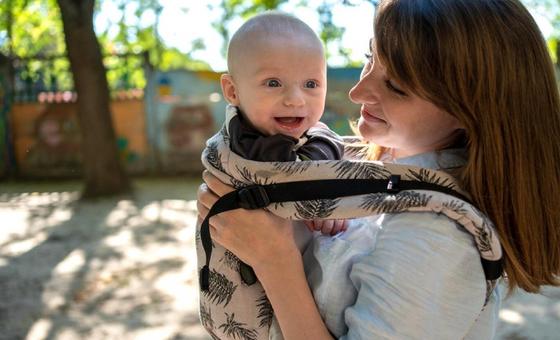
Nearly 74% of Ukrainian newborns breastfeed within their first hour of life, yet only 43% get exclusive breastfeeding through 6 months. New 2025-2026 WHO, UNICEF, and Ministry of Health data reveals the gap and what could close it.
When a baby is born, the first hour of life is a golden window. It's the moment when mother and child meet skin-to-skin, and the newborn instinctively seeks the breast. In Ukraine, nearly three-quarters of newborns are placed at the breast within that first hour — a beautiful, health-boosting start for both mom and baby.
But here's where the story takes a turn. Despite that strong beginning, only 43 percent of infants aged 0 to 5 months receive exclusive breastfeeding, which is exactly what the World Health Organization (WHO) and UNICEF recommend for the first six months of life. The data comes from a 2025–2026 study published by Ukraine's Ministry of Health, UNICEF, and WHO during World Breastfeeding Week.
### What Does Exclusive Breastfeeding Really Mean?
Let's be clear about the term. Exclusive breastfeeding means the baby gets only breast milk — no water, no formula, no juice, no solid foods, not even a taste of tea. That's it. Just breast milk, straight from the source.
The WHO and UNICEF recommend this for the first six months because breast milk is perfectly tailored to a newborn's needs. It changes composition as the baby grows, provides antibodies that fight infections, and supports brain development in ways formula simply can't replicate.
So, when we hear that only 43 percent of Ukrainian infants are exclusively breastfed, it raises a big question: what's happening to the other 57 percent?
### The Gap Between a Good Start and Long-Term Success
The fact that 74 percent of newborns are breastfed within the first hour is genuinely encouraging. That's a strong cultural and medical foundation. But sustaining exclusive breastfeeding for six months is a different challenge altogether.
Think of it like this: starting a marathon with a sprint is great, but the real test is pacing yourself for the long haul. Many mothers face obstacles that make exclusive breastfeeding difficult to maintain.
Some of the most common hurdles include:
- Returning to work early without adequate maternity leave or pumping facilities
- Lack of consistent lactation support from healthcare providers
- Cultural pressure to introduce formula or solid foods early
- Misinformation about milk supply and baby's hunger cues
- Medical challenges like latching issues or nipple pain that go unresolved
These aren't just Ukrainian problems — they're global ones. But the numbers show Ukraine has room to improve.
### Why the First Hour Matters So Much
Let's circle back to that impressive statistic about early breastfeeding. Skin-to-skin contact within the first hour after birth does more than just initiate feeding. It stabilizes the baby's temperature, heart rate, and breathing. It also triggers the release of oxytocin in the mother, which helps with uterine contraction and milk release.
Babies who breastfeed early are more likely to continue breastfeeding successfully. So Ukraine's strong start is a real advantage. The challenge is building on it.
### What Can Be Done to Close the Gap?
Improving exclusive breastfeeding rates requires a multi-pronged approach. Here's what experts say could help:
- **Better maternity leave policies** — longer paid leave gives mothers the time and space to establish breastfeeding
- **Lactation consultants** — accessible, affordable support for mothers who struggle
- **Hospital practices** — ensuring facilities follow the Baby-Friendly Hospital Initiative guidelines
- **Workplace support** — designated pumping rooms and flexible breaks for nursing mothers
- **Community education** — normalizing breastfeeding in public and addressing myths
These aren't radical ideas. They're proven strategies that work in countries with higher exclusive breastfeeding rates, like Norway and Japan.
### The Bigger Picture
Breastfeeding isn't just a personal choice; it's a public health priority. Studies show that improved breastfeeding rates could prevent an estimated 820,000 child deaths globally each year. It also reduces the mother's risk of breast and ovarian cancer, type 2 diabetes, and heart disease.
The 2025–2026 data gives us a clear snapshot of where Ukraine stands. The good news? The foundation is solid. The first-hour breastfeeding rate is high, which means mothers and healthcare providers already value this practice.
The work ahead is about sustaining that momentum. With the right support systems, Ukraine could see those exclusive breastfeeding numbers climb well above 43 percent.
For now, the message from health organizations is simple: breast milk is the best first food, exclusive for six months, and continued alongside solid foods for up to two years and beyond. It's one of the most powerful investments in a child's future — and it starts with that very first hour.