Why Only 43% of Ukrainian Babies Get Exclusive Breastfeeding
Robert Jones ·
Listen to this article~4 min
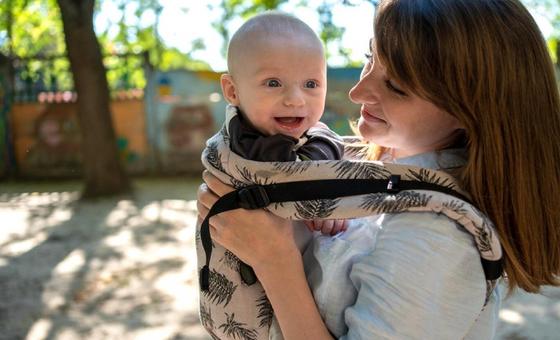
Nearly 74% of Ukrainian newborns start breastfeeding within the first hour, but only 43% continue exclusively to six months. New data reveals why the drop-off happens and what can change it.
There's something undeniably powerful about that first hour after birth. It's when the bond between mother and child starts to take shape, and for many families in Ukraine, that moment includes breastfeeding. In fact, nearly three out of four newborns in Ukraine are placed at the breast within that first hour—a critical step that supports both maternal recovery and the baby's immune system.
But here's the catch: that strong start doesn't always translate into sustained breastfeeding. According to the latest data from the Ministry of Health of Ukraine, UNICEF, and the World Health Organization (WHO), only 43% of infants aged 0 to 5 months receive exclusive breastfeeding. That means more than half of Ukrainian babies are missing out on the gold standard of infant nutrition during their most vulnerable months.
### What the Numbers Really Tell Us
The research, covering 2025–2026 and released during World Breastfeeding Week, paints a complex picture. The 74% early initiation rate is a win—it shows that hospitals and birth centers are doing their part to encourage immediate skin-to-skin contact. But the drop-off by the time babies reach six months is stark.
Exclusive breastfeeding means the infant receives only breast milk—no water, no formula, no other foods or drinks. The WHO and UNICEF recommend this for the first six months of life, and the benefits are well-documented:
- **Stronger immunity**: Breast milk contains antibodies that help fight off infections and reduce the risk of allergies.
- **Better digestion**: It's easier for a newborn's immature digestive system to handle than formula.
- **Long-term health**: Studies link exclusive breastfeeding to lower rates of obesity, diabetes, and even certain cancers later in life.
- **Maternal benefits**: It helps the uterus contract after birth and can lower the risk of postpartum depression.
### Why the Drop-Off Happens
So why do so many mothers stop? It's rarely a simple choice. Common barriers include a lack of workplace support, societal pressure, misinformation about milk supply, and the aggressive marketing of infant formula. In many cases, new mothers simply don't have a strong support network to help them navigate the early weeks, when breastfeeding can be painful and frustrating.
There's also the cultural dimension. In Ukraine, as in many countries, there's a lingering belief that formula is "more scientific" or that a mother's milk might not be "enough." These myths are hard to shake, especially when they come from well-meaning relatives or even healthcare providers who haven't received proper lactation training.
### What Needs to Change
The good news is that this isn't an unsolvable problem. Countries that have invested in comprehensive lactation support—like trained counselors, baby-friendly hospital initiatives, and workplace policies that allow for pumping breaks—have seen significant improvements. The Ukrainian government, along with international partners, is already working on expanding these programs, but there's still a long way to go.
As a parent or soon-to-be parent, you can take practical steps too. Educate yourself about what normal breastfeeding looks like in the early days. Seek out a lactation consultant before you're in crisis mode. And most importantly, surround yourself with people who support your choice, whatever it may be. The 43% figure is a reminder that we all have a role to play in creating a culture that truly supports breastfeeding—not just in the delivery room, but for the months that follow.
Every baby deserves the best possible start. And every mother deserves the tools and support to give it to them.