Why Only 43% of Ukrainian Babies Get Exclusive Breastfeeding
Klaus Meyer ·
Listen to this article~5 min
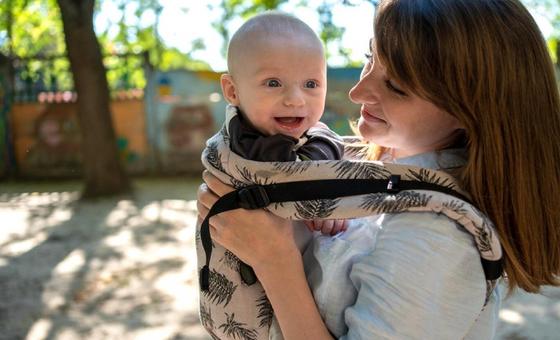
Nearly 75% of Ukrainian newborns start breastfeeding within the first hour, yet only 43% continue exclusively to six months. Here's why the gap exists and what can help.
When a baby is born, those first few moments matter more than most of us realize. In Ukraine, nearly three-quarters of newborns are placed at the breast within the first hour of life—a beautiful, instinctive step that supports both mother and child. But here's the catch: that promising start doesn't always carry through. Only 43 percent of infants aged 0 to 5 months receive exclusive breastfeeding, despite clear recommendations from the World Health Organization (WHO) and UNICEF. So what's happening between that first hour and the six-month mark?
### The Gap Between a Strong Start and Long-Term Success
That initial skin-to-skin contact and early latching are powerful. They help stabilize the baby's temperature, heart rate, and blood sugar, while also triggering the mother's body to release hormones that support bonding and milk production. It's a win-win. But exclusive breastfeeding—meaning the baby gets only breast milk, no water, formula, or other foods—is a different ballgame. It requires ongoing support, education, and often a shift in cultural norms.
The 2025–2026 data, released jointly by Ukraine's Ministry of Health, UNICEF, and WHO during World Breastfeeding Week, paints a clear picture: the foundation is there, but the follow-through is lagging. This isn't just a Ukrainian issue; it's a global pattern. Many mothers face barriers that make exclusive breastfeeding harder than it should be.
### What's Standing in the Way?
Several factors contribute to that drop-off from 75 percent early initiation to just 43 percent exclusive breastfeeding. Let's break them down:
- **Return to work**: Many mothers in Ukraine have limited maternity leave and return to demanding jobs without adequate lactation rooms or breaks.
- **Lack of professional support**: Not all healthcare providers are trained to help with common breastfeeding challenges like latching issues or low milk supply fears.
- **Cultural pressure**: Well-meaning family members often suggest supplementing with formula or introducing water, especially during hot summer months.
- **Misinformation**: Conflicting advice from the internet, older generations, and even some clinicians can undermine a mother's confidence.
These aren't judgment points; they're real-world obstacles. And when a mother struggles, it's easy to feel like she's failing—even though she's doing her best in a system that often doesn't support her.
### Why Exclusive Breastfeeding Matters So Much
The WHO and UNICEF recommend exclusive breastfeeding for the first six months, and it's not just a random number. Breast milk is perfectly tailored to a baby's needs, providing antibodies that fight off infections, reducing the risk of sudden infant death syndrome, and supporting healthy brain development. For mothers, it lowers the risk of breast and ovarian cancers and can help with postpartum recovery.
But here's what often gets lost in the statistics: every feeding journey is personal. A mother who formula-feeds because she can't produce enough milk isn't failing her child. The goal isn't to shame anyone—it's to remove barriers so more families can make the choice that works for them, with accurate information and real support.
### What Can Be Done to Close the Gap
If we want to see that 43 percent climb higher, it takes more than just telling mothers to breastfeed. It takes systemic change:
- **Better workplace policies**: Paid parental leave and lactation rooms aren't luxuries; they're investments in public health.
- **Community-based support groups**: Peer counselors who've been through it themselves can offer practical, judgment-free help.
- **Training for healthcare providers**: Every nurse, doctor, and midwife should know how to assist with common breastfeeding issues.
- **Public education campaigns**: Normalizing breastfeeding in public and challenging outdated beliefs can reduce stigma.
### A Realistic Look at the Numbers
It's easy to read "43 percent" and feel discouraged. But let's put it in perspective: that means nearly half of Ukrainian infants are getting the recommended start. And with the right support, that number can grow. The data is a call to action, not a verdict. Every mother deserves to feel confident in her feeding choices, whether that means exclusive breastfeeding, mixed feeding, or formula. The real victory is ensuring she has the information and support to decide—and the freedom to change her mind without guilt.
So the next time you hear a statistic like this, remember the human story behind it. Behind every percentage point is a mother who's trying to do right by her baby, often with limited resources. That's worth celebrating—and worth improving.