Why Only 43% of Ukrainian Babies Get Exclusive Breastfeeding
Michael Williams ·
Listen to this article~5 min
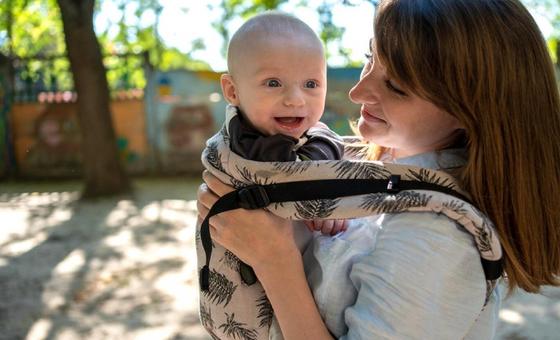
Ukraine's newborns get a strong start with 75% breastfed within the first hour, but only 43% receive exclusive breastfeeding through 5 months. Here's why the gap exists and what can help.
When a baby is born, the first hour of life is packed with tiny miracles. Skin-to-skin contact, that first instinctive latch, and the quiet bond between mother and child—these moments set the stage for everything that follows. In Ukraine, nearly three out of four newborns are placed at the breast within that crucial first hour. That's a strong start, and it's worth celebrating. But here's the catch: only 43% of infants aged 0 to 5 months receive exclusive breastfeeding, as recommended by the World Health Organization (WHO) and UNICEF.
That gap between a great beginning and a sustained practice is bigger than it looks. It's not just about a statistic—it's about the health of moms and babies across the country, and it raises a question that deserves a closer look: why do so many families start strong and then drift away from exclusive breastfeeding?
### The Numbers Tell a Story
Let's break down what those numbers actually mean. The data comes from a 2025–2026 study published by Ukraine's Ministry of Health, UNICEF, and WHO, timed to coincide with World Breastfeeding Week. The findings highlight two key points:
- **75% of newborns** are breastfed within the first hour after birth—a practice linked to better immune protection and stronger maternal-infant bonding.
- **Only 43% of infants** aged 0–5 months are exclusively breastfed, meaning they receive only breast milk and no other food or drink, not even water.
That's a significant drop-off. And it matters because exclusive breastfeeding for the first six months is one of the most powerful tools we have for reducing infant mortality and preventing common childhood illnesses.
### Why the First Hour Matters So Much
That first hour isn't just a nice ritual—it's a biological window. When a baby is placed on the mother's chest immediately after birth, it triggers a cascade of benefits. The baby's gut gets a dose of colostrum, the nutrient-rich "first milk" packed with antibodies. The mother's body releases oxytocin, which helps the uterus contract and reduces the risk of postpartum hemorrhage. Skin-to-skin contact also stabilizes the baby's temperature, heart rate, and breathing.
But here's the thing: the first hour is just the opening act. The real challenge is sustaining that momentum over the following weeks and months. And that's where many families hit roadblocks.
### The Gap Between Intent and Reality
So why does exclusive breastfeeding drop off so sharply? The reasons are as varied as the families themselves. Some mothers face medical challenges, like latching difficulties or low milk supply. Others return to work early and struggle to pump or find a private space. Cultural norms and family pressure can also play a role—grandmothers might insist that "the baby needs water" or that formula is more filling.
There's also the issue of support. In many communities, lactation consultants are hard to find, and pediatricians may not have the training to offer practical, hands-on guidance. The result? Well-meaning moms who want to breastfeed exclusively find themselves navigating a maze of conflicting advice and logistical hurdles.
### What Can Be Done?
If we want to close that gap, we need to look at the whole picture. It's not enough to encourage breastfeeding in the delivery room. We need to build a support system that carries families through the first six months and beyond. That means:
- **Better maternity leave policies** that give mothers the time and space to establish breastfeeding without the pressure of an early return to work.
- **Workplace accommodations** like private pumping rooms and flexible break times for nursing mothers.
- **Community-based support groups** where new moms can share experiences and get advice from peers who've been there.
- **Training for healthcare providers** so they can offer consistent, evidence-based guidance at every well-baby visit.
### A Healthier Start for Everyone
Here's the bottom line: breastfeeding isn't just a personal choice—it's a public health issue. When more babies are exclusively breastfed, we see fewer respiratory infections, fewer ear infections, and lower rates of childhood obesity. Moms benefit too, with reduced risks of breast and ovarian cancer.
The 43% figure is a wake-up call. It tells us that we're doing something right in those first precious minutes, but we're missing the mark when it comes to long-term support. And that's a problem we can solve—if we're willing to invest in the resources, policies, and education that help families thrive.
So, the next time you hear about breastfeeding rates, remember that the first hour is just the beginning. The real victory is in the journey—and it's a journey that deserves our attention, our compassion, and our commitment.