Why Only 43% of Ukrainian Babies Get Exclusive Breastfeeding
James Taylor ·
Listen to this article~5 min
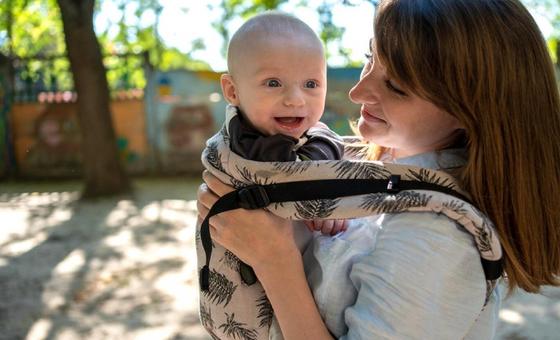
Nearly 75% of Ukrainian newborns breastfeed within the first hour, yet only 43% get exclusive breastfeeding for six months. New 2025–2026 data reveals why the gap exists and what can change it.
When a baby is born, the first hour of life sets the stage for everything that follows. In Ukraine, nearly three-quarters of newborns are placed at the breast within that critical first hour. That's a beautiful start, a moment of connection that benefits both mother and child in ways we're still discovering. But here's the thing: that promising beginning doesn't always translate into long-term breastfeeding success.
Recent data from the Ukrainian Ministry of Health, UNICEF, and the World Health Organization (WHO) shows that only 43 percent of infants aged 0 to 5 months receive exclusive breastfeeding. That's the gold standard these organizations recommend, yet more than half of Ukrainian babies miss out on it. The numbers come from a 2025–2026 study released to mark World Breastfeeding Week, and they reveal a significant gap between intention and reality.
### Why the First Hour Matters So Much
That early skin-to-skin contact isn't just a sweet moment, it's a biological imperative. When a baby is placed on the mother's chest right after birth, it triggers a cascade of hormones that help stabilize the baby's temperature, heart rate, and blood sugar. It also signals the mother's body to release colostrum, the nutrient-dense first milk packed with antibodies. This early initiation is linked to higher rates of successful breastfeeding down the line, which is why the WHO and UNICEF emphasize it so strongly.
Yet, starting strong doesn't guarantee a smooth journey. Many mothers face obstacles in the weeks that follow. The drop from 75 percent early initiation to 43 percent exclusive breastfeeding by six months tells a story of challenges that emerge after the hospital stay.
### The Gap Between Recommendation and Reality
The WHO recommends exclusive breastfeeding for the first six months of life, meaning no other food or drink, not even water. This practice provides all the nutrients, fluids, and immune protection a baby needs during this period. But achieving this requires support, education, and sometimes, a village.
So what's getting in the way? Let's break down the common barriers:
- **Lack of workplace support**: Many mothers return to work within a few months, and without proper facilities for pumping or flexible breaks, maintaining milk supply becomes a struggle.
- **Inadequate maternity leave**: Short leave periods force mothers to wean earlier than they'd like.
- **Misinformation**: Well-meaning family members or outdated advice can lead to early introduction of formula or solids.
- **Medical interventions**: Birth complications or C-sections can delay milk coming in, creating frustration and doubt.
- **Limited lactation support**: Not every community has access to lactation consultants who can help troubleshoot issues like latching problems or low supply.
These aren't just Ukrainian problems, they're global ones. But the data shows Ukraine has room to improve, and the organizations behind this study are calling for action.
### What Can Change the Numbers?
Improving exclusive breastfeeding rates requires a multi-pronged approach. Hospitals can adopt baby-friendly practices that encourage rooming-in and discourage formula samples. Governments can extend paid maternity leave and mandate workplace accommodations for nursing mothers. Communities can normalize breastfeeding in public and provide peer support groups.
There's also a role for partners and families. A supportive partner who understands the demands of breastfeeding can make a world of difference. Simple acts, like taking over night duties or offering encouragement during tough feeding sessions, can help a mother push through challenges.
### The Bigger Picture
Breastfeeding isn't just about nutrition, it's about long-term health outcomes. Babies who are exclusively breastfed for six months have lower risks of ear infections, respiratory illnesses, and sudden infant death syndrome. Mothers who breastfeed reduce their risk of breast and ovarian cancer, type 2 diabetes, and postpartum depression.
The 43 percent figure isn't just a statistic, it's a call to action. Every mother who wants to breastfeed deserves the resources and support to do so. And every baby deserves the best possible start in life, even if that start looks different for each family.
As the World Breastfeeding Week reminds us, this isn't about guilt or pressure. It's about creating environments where breastfeeding can thrive. The first hour is a beautiful beginning, but the journey matters just as much. With the right support, that 43 percent could climb, and Ukrainian babies would be all the healthier for it.