Why Only 43% of Ukrainian Infants Get Exclusive Breastfeeding
Eleanor Vance ·
Listen to this article~4 min
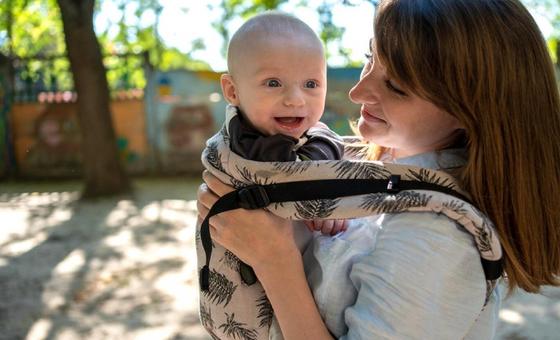
Nearly 75% of Ukrainian newborns start breastfeeding within the first hour, yet only 43% of infants under 6 months get exclusive breastfeeding. Here's what's behind the gap and how to close it.
When a baby is born, those first few moments matter more than most of us realize. In Ukraine, nearly three-quarters of newborns are placed at the breast within the first hour of life — a beautiful, instinctive moment that sets the stage for bonding and health. But here's the catch: despite that strong start, only 43% of infants aged 0 to 5 months receive exclusive breastfeeding, as recommended by the World Health Organization (WHO) and UNICEF.
That gap between a promising beginning and sustained practice is worth digging into. The data comes from a 2025–2026 study released by Ukraine's Ministry of Health, UNICEF, and WHO, timed to World Breastfeeding Week. It paints a picture of progress, but also of the hurdles families face once they leave the delivery room.
### The First Hour: A Powerful Start
Skin-to-skin contact right after birth isn't just a nice ritual. It helps regulate the baby's temperature, heart rate, and blood sugar. It also triggers the release of oxytocin — the love hormone — which supports milk production and strengthens the mother-infant bond. Ukraine's numbers here are encouraging: nearly 75% of newborns get this early start.
Yet, exclusive breastfeeding means no water, no formula, no solids — just breast milk for the first six months. And that's where the numbers drop off. So, what's happening between that first hour and the six-month mark?
### Why the Drop-Off?
Several factors contribute to the decline:
- **Lack of workplace support**: Many mothers return to work within a few months, and without proper lactation rooms or flexible schedules, pumping becomes a challenge.
- **Inconsistent hospital practices**: While early initiation is strong, some hospitals still offer formula supplements too readily, undermining breastfeeding confidence.
- **Cultural and social pressures**: Well-meaning relatives may push for early introduction of solids or formula, believing it's "better" or more filling.
- **Limited lactation support**: Access to lactation consultants and peer support groups isn't universal, especially in rural areas.
These aren't just Ukrainian issues — they echo globally. But the study highlights that closing the gap requires more than awareness campaigns. It needs systemic change.
### What the Experts Recommend
The WHO and UNICEF suggest a package of interventions that work: counseling during pregnancy, immediate skin-to-skin contact, rooming-in (keeping mom and baby together 24/7), and follow-up visits after discharge. They also emphasize the importance of protecting mothers from aggressive marketing of breastmilk substitutes — a real concern in many countries.
> "Breastfeeding is not just a personal choice; it's a public health priority. Every mother deserves support, not judgment." — A sentiment echoed by public health experts worldwide.
### The Ripple Effect of Exclusive Breastfeeding
Why does this matter so much? Exclusive breastfeeding for the first six months reduces the risk of infections, diarrhea, and respiratory illnesses in infants. It also lowers the mother's risk of breast and ovarian cancer. The benefits extend beyond health — families save money on formula (which can run $1,200 to $1,500 per year in the U.S.), and there's a positive environmental impact, too.
### Moving Forward
Ukraine's data shows a foundation to build on. The high rate of early initiation is a testament to the commitment of healthcare providers and families. Now, the focus must shift to sustaining that momentum. That means better postpartum support, workplace policies that actually work, and community education that empowers mothers rather than shames them.
If you're a new parent or know one, remember: every breastfeeding journey looks different. The goal isn't perfection — it's support. And that's something we can all contribute to, one conversation at a time.