Why Only 43% of Ukrainian Babies Get Exclusive Breastfeeding
Jennifer Brown ·
Listen to this article~4 min
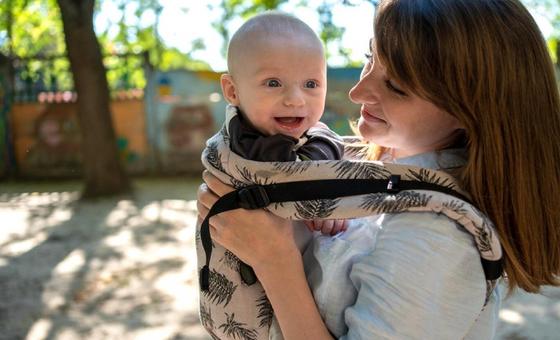
Nearly 75% of Ukrainian newborns are breastfed within the first hour, but only 43% get exclusive breastfeeding for six months. New WHO/UNICEF data reveals the gap and what can be done.
When a baby is born, those first moments matter more than most of us realize. In Ukraine, nearly three-quarters of newborns are placed at the breast within the first hour of life—a beautiful, instinctive start that supports both mother and child. But here's the catch: only 43% of infants aged 0 to 5 months receive exclusive breastfeeding, which is exactly what the World Health Organization (WHO) and UNICEF recommend. So why the gap between that promising beginning and the months that follow?
New data from a 2025–2026 study, released by Ukraine's Ministry of Health alongside UNICEF and WHO during World Breastfeeding Week, paints a clear picture. It shows that while the first hour is strong, sustaining exclusive breastfeeding for six months is where many families struggle. And honestly, that's not surprising—breastfeeding is often harder than it looks. It's a learning curve for both mom and baby, and support can fade quickly once you leave the hospital.
### The First Hour: A Strong Start
Let's give credit where it's due. The fact that nearly 75% of Ukrainian newborns are breastfed within that first golden hour is a win. Skin-to-skin contact right after birth helps regulate the baby's temperature, heart rate, and breathing. It also triggers the release of oxytocin in the mother, which helps the uterus contract and reduces bleeding. Plus, that early colostrum—often called "liquid gold"—is packed with antibodies that protect a newborn from infections.
But here's the thing: that first hour is just the opening scene. The real challenge is keeping it going. Many mothers face obstacles like sore nipples, low milk supply worries, or simply not having enough practical help at home. And when you're sleep-deprived and overwhelmed, it's easy to reach for a bottle of formula just to get some rest.
### Why Exclusive Breastfeeding Matters
Exclusive breastfeeding means the baby gets only breast milk—no water, no formula, no other foods—for the first six months. This isn't just a nice-to-have; it's a lifesaver. Research shows that exclusive breastfeeding reduces the risk of diarrhea, pneumonia, and other common childhood illnesses. It also supports brain development and may lower the risk of obesity later in life. For mothers, it can reduce the risk of breast and ovarian cancer, and it helps with postpartum recovery.
The WHO and UNICEF recommend this practice worldwide, and for good reason. It's one of the most cost-effective ways to improve child health. But it's not just about individual choice—it's about the environment around that choice.
### What's Getting in the Way?
So why aren't more Ukrainian mothers exclusively breastfeeding for six months? A few key factors stand out:
- **Lack of workplace support:** Many mothers return to work early and don't have a private place to pump or flexible breaks.
- **Inconsistent hospital practices:** Even though the first hour is strong, not all hospitals provide ongoing lactation support or avoid giving free formula samples.
- **Cultural pressure:** Family members might push for early introduction of water or cereals, believing it's better or that breast milk isn't "enough."
- **Limited access to lactation consultants:** Not every community has trained professionals to help troubleshoot problems.
These aren't small issues. They're systemic gaps that require attention from healthcare providers, employers, and policymakers alike.
### A Path Forward
The good news? This isn't hopeless. Countries that invest in breastfeeding support see real improvements. Things like paid maternity leave, workplace lactation rooms, and trained peer counselors make a measurable difference. Even simple steps—like educating grandparents about the benefits of exclusive breastfeeding—can shift cultural norms.
If you're a new parent or know someone who is, the takeaway here is simple: breastfeeding is a journey, not a single moment. It's okay to ask for help, whether that's from a nurse, a lactation consultant, or a supportive friend. And if you're a professional working with families, remember that encouragement and practical guidance can go a long way.
We've come a long way with that strong start in the first hour. Now, let's work on making the next six months just as successful.