Why Only 43% of Ukrainian Babies Get Exclusive Breastfeeding
陳薇琪 (Wei-Chi Chen) ·
Listen to this article~5 min
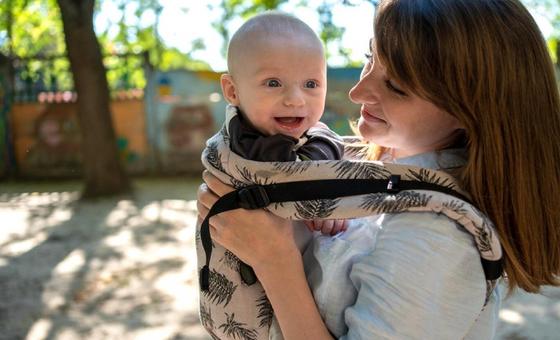
Nearly 74% of Ukrainian newborns breastfeed within the first hour, yet only 43% are exclusively breastfed at six months. Why the drop? A look at barriers, benefits, and what needs to change.
When a baby is born, the first hour of life sets the stage for everything that follows. In Ukraine, nearly three out of four newborns are placed at the breast within that golden hour—a beautiful start that supports bonding and health for both mom and baby. But here's the catch: only 43% of infants aged 0-5 months are exclusively breastfed, even though global health experts recommend it as the gold standard.
That gap between a strong start and sustained practice is a puzzle worth unpacking. The data comes from a 2025–2026 study released by Ukraine's Ministry of Health, UNICEF, and the World Health Organization (WHO) during World Breastfeeding Week. It's a snapshot of progress, but also a reminder that starting strong isn't the same as finishing strong.
### The First Hour: A Powerful Window
Skin-to-skin contact right after birth isn't just a nice moment—it's a biological imperative. When a newborn is placed on the mother's chest within 60 minutes of delivery, it triggers instincts that help with temperature regulation, heart rate stability, and that first crucial latch. In Ukraine, 74% of babies get this advantage. That's a number to celebrate, and it suggests that hospitals and birth attendants are prioritizing immediate bonding.
But here's what's interesting: the benefits of that early contact can fade if support doesn't continue. Think of it like planting a seed—it needs consistent watering, not just one good rain. The first hour is that rain, but exclusive breastfeeding for six months requires ongoing help, education, and community support.
### Why Exclusive Breastfeeding Matters
Exclusive breastfeeding means the baby gets only breast milk—no water, formula, or other foods—for the first six months. The WHO and UNICEF are crystal clear on this: it's the most protective way to feed an infant. The benefits are staggering:
- **Immunity boost:** Breast milk carries antibodies that shield babies from infections and illnesses.
- **Brain development:** Nutrients in breast milk support cognitive growth in ways formula can't fully replicate.
- **Digestive ease:** Breast milk is perfectly tailored to a baby's immature gut, reducing colic and constipation.
- **Bonding:** The physical closeness releases oxytocin, which strengthens the mother-infant connection.
- **Long-term health:** Breastfed babies have lower risks of obesity, diabetes, and allergies later in life.
So when only 43% of Ukrainian infants get this exclusive start, it's not just a statistic—it's a missed opportunity for thousands of families.
### The Gap Between Intent and Reality
Why does the number drop from 74% at birth to 43% at six months? The reasons are complex and deeply human. New moms often face pressure from family members who think formula is "better" or that breast milk isn't enough. Return-to-work policies can make pumping difficult, especially in jobs without breaks or private spaces. And sometimes, lactation issues like latching problems or low milk supply go unsupported because there aren't enough trained lactation consultants.
There's also a cultural angle. In many communities, breastfeeding in public is still stigmatized, which makes it harder for moms to feed on demand. Add in aggressive marketing by formula companies, and you've got a perfect storm of barriers.
### What This Means for the Future
This study isn't just about Ukraine—it's a mirror for many countries, including the United States, where exclusive breastfeeding rates hover around 25% at six months. The message is universal: we need better postpartum support, workplace accommodations, and public education. Hospitals should offer consistent lactation counseling, not just one session. Communities should normalize breastfeeding as the default, not the exception.
If Ukraine can move from 43% to, say, 60%, that would mean thousands of healthier infants. And the first step is recognizing that the first hour is just the beginning. We need to support moms every step of the way, not just at the starting line.
### A Call to Action
If you're a new parent, a healthcare provider, or just someone who cares about child health, take this to heart: breastfeeding is a team effort. It takes a village to raise a child, and it takes a village to support a nursing mother. Whether it's offering a meal, giving her space to feed, or simply saying "you're doing great," your role matters.
The data is clear, but it's not destiny. With the right support, that 43% can climb. And every percentage point means healthier babies, happier moms, and stronger communities.