Why Young Workers Are Losing Ground in Today's Job Market
Eleanor Vance ·
Listen to this article~5 min
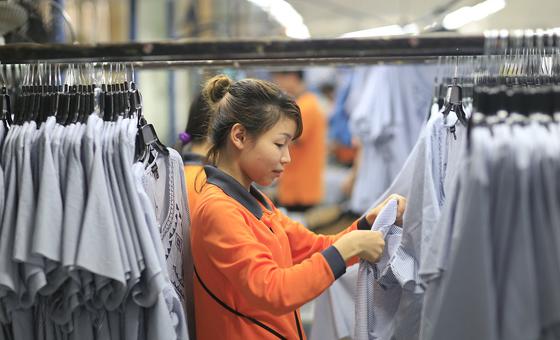
A new ILO report reveals rising youth unemployment worldwide as weak growth and slow job creation shut young workers out. Here's what's driving the trend and what could help.
The global job market has been sending some worrying signals lately, especially for the youngest people trying to break into it. A fresh report from the International Labour Organization (ILO), the United Nations agency that tracks labor trends worldwide, paints a pretty sobering picture. Youth unemployment is climbing, and it's not hard to see why when you look at the numbers behind the headlines.
### The Core Problem: Slow Growth, Fewer Doors
Here's the thing: the economy isn't creating enough jobs to keep up with the number of young people entering the workforce. It's a simple supply-and-demand problem, but the consequences are anything but simple. When economic growth stumbles, companies tighten their belts. They slow down hiring, freeze open positions, and sometimes even trim their existing teams. For someone fresh out of school or training, that means fewer entry-level slots and more competition for every single opening.
The ILO's data shows this isn't a temporary blip either. Weak growth has become a persistent feature in many regions, and the ripple effects are landing squarely on the shoulders of workers aged 15 to 24. That's a tough spot to be in, especially when you're just trying to get your foot in the door.
### The NEET Numbers Are Climbing
One of the most striking takeaways from the report involves a group that demographers call NEETs—young people who are Not in Employment, Education, or Training. The percentage of this group is growing, and it's a red flag for a few reasons. When a young person is disconnected from all three of those anchors, they lose more than just income. They miss out on skill-building, professional networks, and the daily structure that comes with a job or a classroom.
That gap can have long-term consequences. Studies have shown that early unemployment can lead to lower earnings for years down the road, a kind of wage scar that's hard to shake. So this isn't just about the present moment; it's about the trajectory of an entire generation.
### Why This Matters Beyond the Headlines
It's easy to read a report like this and file it away as just another grim statistic. But the human cost is real. Picture a recent graduate with $30,000 in student loan debt, sending out dozens of applications every week and hearing nothing back. Or a young person in a rural area where the only available jobs are part-time and offer no benefits. These are the stories behind the data points.
There's also a broader economic angle. When young people can't find work, they're not spending money. They're not renting apartments, buying cars, or starting families. That drags down consumer demand, which in turn makes it even harder for businesses to justify new hires. It's a vicious cycle that affects everyone, not just the people who are directly unemployed.
### What Could Turn the Tide?
Experts point to a few potential solutions, though none of them are quick fixes. Here are some of the ideas floating around in policy circles:
- **Targeted training programs** that align with what employers actually need, rather than generic education that doesn't translate to real-world skills.
- **Wage subsidies** for companies that hire young workers, which can lower the risk for employers and encourage them to take a chance on less experienced candidates.
- **Better career counseling** in schools, so students understand the job market before they graduate and can make smarter choices about their majors and certifications.
- **Infrastructure investment** in sectors like clean energy and tech, which tend to create jobs that are well-suited for younger workers.
None of these are silver bullets, but together they could start to move the needle. The ILO's report isn't a doom-and-gloom prophecy; it's a call to action. The longer we wait, the harder it gets for this generation to catch up.
### A Personal Take
I've spent years studying labor markets, and if there's one thing I've learned, it's that young people are remarkably resilient. They adapt to new technologies faster than any other group. They're more willing to relocate, to learn new skills, to hustle. The problem isn't their attitude or their work ethic—it's the lack of opportunities waiting for them on the other side.
So while the numbers in this report are concerning, they're not the whole story. The real question is whether policymakers, businesses, and educators can come together to build a bridge between the skills young people have and the jobs that actually exist. Until then, the unemployment rate will keep climbing, and we'll all feel the weight of that missed potential.