Why Youth Unemployment Is Climbing Despite a Stable Global Economy
Eleanor Vance ·
Listen to this article~5 min
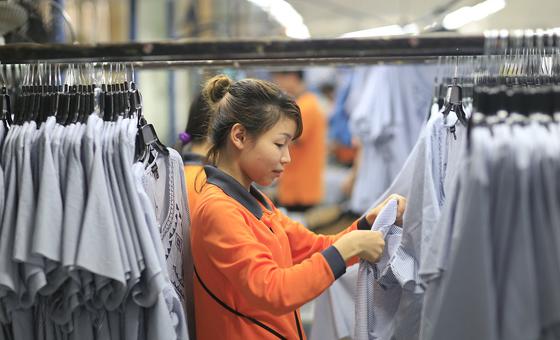
The ILO's latest report shows youth unemployment climbing worldwide as slow economic growth and weak job creation leave more young people outside the workforce. Discover the causes and what can be done.
The latest report from the International Labour Organization (ILO) paints a sobering picture for young people around the world. Youth unemployment is on the rise, and it's not just a numbers game—it's a story about missed opportunities, stalled ambitions, and a labor market that's struggling to keep pace with the realities of today's economy.
If you've been following economic trends, you know that the global economy isn't collapsing. It's growing, but slowly. And that slow growth is having an outsized effect on the people who are just trying to get their foot in the door.
### What the ILO Report Actually Says
The ILO's latest findings are clear: weak economic growth and sluggish job creation are making it harder than ever for young people to transition from education into stable work. The result? A growing number of young adults are finding themselves outside the realms of employment, education, or training—a category economists call NEET (Not in Employment, Education, or Training).
Here are a few key takeaways from the report:
- **Global youth unemployment is trending upward**, reversing some of the gains made in previous years.
- **Job creation is not keeping up with population growth** in many regions, especially in emerging markets.
- **Young women are disproportionately affected**, facing higher barriers to entry than their male counterparts in most countries.
- **The quality of jobs matters**—many young people who do find work are stuck in part-time, informal, or precarious positions.
It's not that young people aren't trying. They are. But the system isn't meeting them halfway.
### Why This Matters More Than You Think
You might be wondering: isn't this just a temporary dip? Unfortunately, the evidence suggests otherwise. When young people are locked out of the labor market early in their careers, the effects can last for decades. They miss out on skill development, professional networks, and the kind of on-the-job learning that builds a career. It's like trying to learn to swim when no one will let you near the water.
The ripple effects go beyond individual hardship. High youth unemployment is linked to social unrest, lower consumer spending, and a slower overall economy. In other words, it's not just a problem for young people—it's a drag on everyone.
### The Gap Between Education and Employment
One of the most frustrating aspects of this situation is the disconnect between what young people are learning and what the job market actually needs. Many graduates come out of school with impressive credentials but find that employers are looking for skills that weren't covered in the curriculum.
> "The skills gap is real," says Maria Santos, a labor economist who has studied youth employment trends for over a decade. "We're training people for a world that no longer exists, while the jobs of tomorrow sit unfilled."
This isn't to say that education isn't valuable—it absolutely is. But there's a clear need for better alignment between educational institutions and the industries that are hiring. Apprenticeships, vocational training, and internship programs can help bridge this divide, but they're not available everywhere.
### What Can Be Done?
There's no single solution to a problem this complex, but the ILO report points to a few strategies that could make a difference:
- **Investing in job creation** in sectors that are likely to grow, such as green energy, technology, and healthcare.
- **Strengthening social safety nets** so that young people aren't left destitute while they search for work.
- **Improving access to vocational training** and apprenticeships that lead directly to employment.
- **Addressing discrimination** in hiring processes, which disproportionately affects young women and minorities.
Governments, businesses, and educational institutions all have a role to play. But so do we as individuals. If you're in a position to hire, mentor, or train someone starting out in their career, consider it an investment in the future—not just for them, but for all of us.
### The Road Ahead
The numbers are concerning, but they're not a verdict. With the right policies and a bit of collective will, it's possible to turn this around. The young people entering the workforce today are not the problem—they're the solution. They bring fresh perspectives, digital fluency, and a willingness to adapt that older generations often lack.
The question is whether we'll give them the chance to prove it.