The World Restored 622 Million Acres of Ecosystem — Here's What's Next
William Johnson ·
Listen to this article~3 min
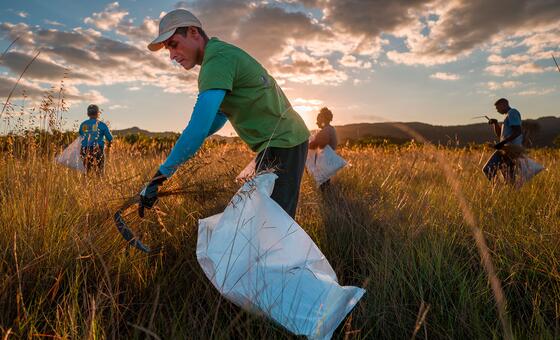
149 countries have restored 622 million acres of ecosystem, creating over 1 million green jobs. But to hit 2030 goals, funding must rise more than fourfold.
Picture this: 149 countries have collectively restored around 622 million acres of ecosystem. That's the largest restoration effort ever documented, and it's happening right now. The numbers come from a United Nations report presented Thursday in Yerevan at the UN Biodiversity Conference, known as COP17.
Those efforts have already generated more than 1 million green jobs. That's real work for real people, not just a feel-good statistic. But here's the part that matters: the report also makes clear we're nowhere near done.
### The Progress Is Real, But the Clock Is Ticking
Restoring land doesn't happen overnight. You plant, you wait, you protect, and slowly the soil and the wildlife come back. The fact that so many countries have logged measurable progress is genuinely encouraging. It shows the machinery works when people commit to it.
But commitment has an expiration date. To meet the goals set for 2030, the report says the pace has to ramp up sharply. And annual funding needs to climb more than fourfold. Four times the money. That's not a small ask.
### Why Funding Is the Real Bottleneck
You can have the best restoration plan in the world, but without money it stays on paper. Funding covers everything from seed collection and nursery operations to paying the people who monitor these sites for years. It's unglamorous work, and it's the work that decides whether these projects survive.
Consider what's at stake if the pace doesn't pick up:
- Degraded land keeps losing its ability to hold water and support crops
- Species that depend on restored habitat stay on the decline
- The green jobs created so far could stall before they become a stable workforce
- Countries that pledged targets risk missing them entirely
### A Measured Take on the Momentum
Here's the honest read. The scale of what's been documented is unprecedented, and that deserves acknowledgment. But unprecedented effort against a fixed deadline still requires speed, and speed requires cash.
> "Restoration is a long game, but the funding decisions are made in short cycles. That mismatch is where good projects quietly die."
The next few years will show whether the pledges turn into steady budgets or fade once the conference halls empty. For anyone tracking environmental progress, that's the number to watch.
### What to Take Away
So where does that leave things? Progress is happening, and it's measurable. The foundation is in place. What's missing is the money and the urgency to move faster.
If you care about this space, pay attention to funding announcements rather than headline pledges. Follow the budgets, not the speeches. That's where the real story lives, and it's the story that will determine whether 2030 ends in success or another missed deadline.