The World Restored 622 Million Acres of Land. Now Comes the Hard Part
Michael Taylor ·
Listen to this article~4 min
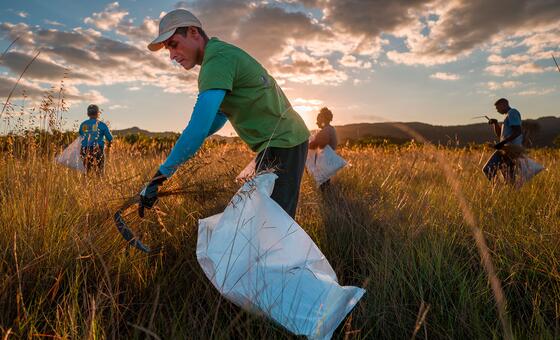
A UN report from COP17 in Yerevan shows 622 million acres of ecosystems under restoration across 149 countries and over 1 million green jobs created. But funding must more than quadruple to meet 2030 goals.
Picture 622 million acres of land brought back to life. That's the scale of what's happening right now — ecosystems under restoration across 149 countries, according to a UN report unveiled Thursday in Yerevan at the UN Biodiversity Conference, known as COP17. It's the largest documented restoration effort humanity has ever attempted.
The numbers are genuinely impressive. But here's the thing that stuck with me: the report also makes clear that we're running behind. To hit the 2030 commitments, the pace has to accelerate sharply — and annual funding needs to more than quadruple.
### What's Actually Been Achieved
Let's start with the wins, because they matter. Over 1 million green jobs have been created through these restoration efforts. That's a million people earning a living by healing land — planting, managing, monitoring, rebuilding.
- 622 million acres of ecosystems under active restoration
- 149 countries participating in documented efforts
- More than 1 million green jobs generated
- Largest restoration push ever recorded globally
Those jobs aren't just statistics. They're paychecks in rural communities, in places where steady work can be hard to find. Restoration work tends to be local by nature — you can't outsource tree planting to another continent.
### The Gap Between Promise and Pace
The honest part of the report is the part about what's still missing. The 2030 targets are ambitious, and the current trajectory doesn't get us there. Two things need to change fast: speed and money.
On speed, the issue is straightforward. Restoration takes time by design — forests don't grow overnight, wetlands don't rebuild themselves in a season. So if the finish line is 2030, every delayed start now costs years later.
On money, the report is blunt. Annual financing needs to increase more than fourfold. That's not a small ask. It means governments, development banks, and private investors all have to step up considerably.
> "Restoration is one of the cheapest climate tools we have — but only if we actually pay for it."
That's the tension at the heart of COP17. The results are real. The momentum is real. But momentum without funding tends to stall.
### Why This Matters Beyond the Conference Hall
If you're in the Rezka space — whether you work in sustainability, land management, or just follow environmental policy — this report is worth your attention. It's a rare case of documented progress paired with a clear-eyed warning.
Restoration isn't just an environmental story. It's an economic one. Healthy ecosystems support agriculture, protect water supplies, and reduce the cost of climate disasters. Every acre restored is an acre that isn't washing away or burning.
And the fourfold funding gap? That's an opportunity as much as a problem. It signals where capital is needed and where jobs will be created. Investors paying attention to green infrastructure should be watching how these commitments translate into actual spending.
### What to Watch Next
The Yerevan conference isn't the end of the conversation — it's a checkpoint. Over the coming months, watch for three things:
- Whether countries submit updated restoration financing plans
- How private capital responds to the funding gap
- Whether the green jobs number keeps climbing at the same rate
The takeaway is simple. The world has proven it can restore land at scale. Now it has to prove it can do it fast enough — and pay for it. The fruits are real, but the harvest depends on what happens next.